There are certain sauces that completely change the way you eat food.
This was one of them for me.
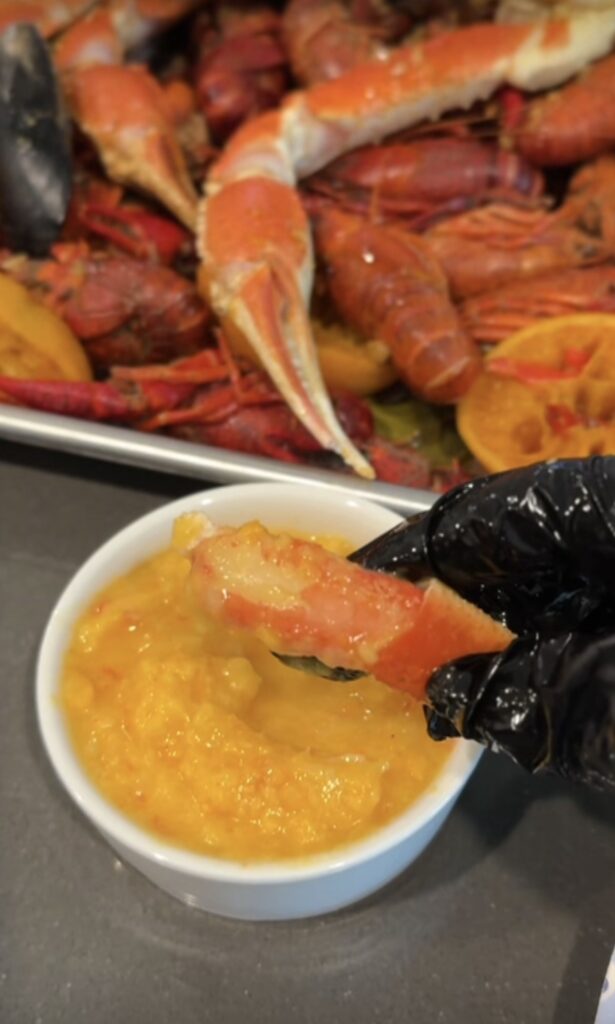
The first time I had this creamy kumquat seafood dipping sauce was at a restaurant called Ốc & Lẩu in Garden Grove, and honestly, it shifted my entire understanding of Vietnamese seafood sauces.
Up until then, I mostly associated seafood dipping sauces with:
- muối tiêu chanh,
- nước mắm-based sauces,
- or simple lime-pepper dips.
All good. All classic.
But then this bright orange, creamy, salty-sweet-citrusy sauce showed up next to a plate of seafood, and suddenly everything tasted louder in the best way.
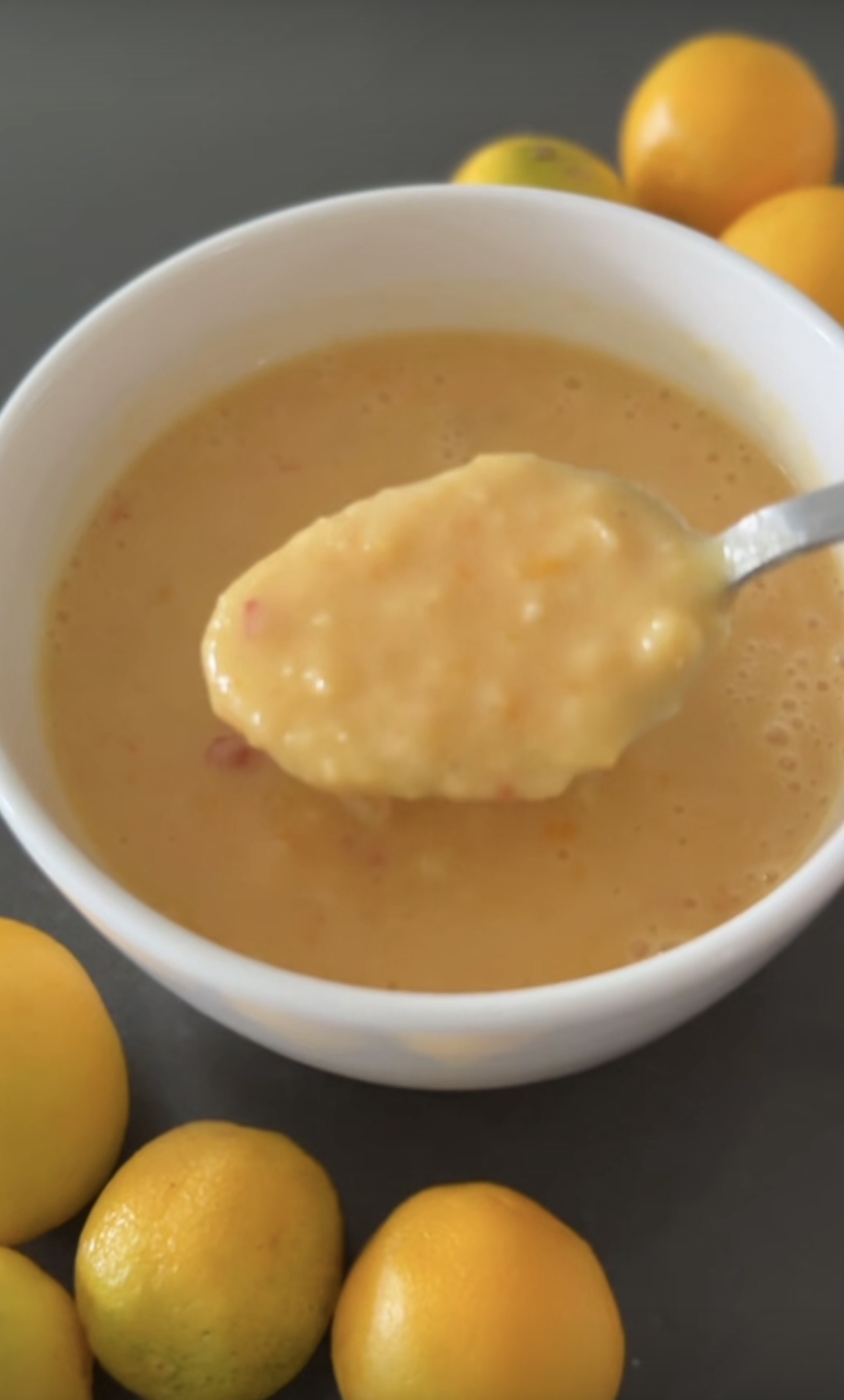
It was creamy from condensed milk, sharp from kumquats, salty from fish sauce, spicy from Thai chilies — but somehow still balanced. Rich but bright. Sweet but punchy. The kind of sauce that makes you keep reaching for “just one more shrimp.”
And now?
I eat this with basically every seafood dish possible.
Crab. Shrimp. Lobster. Scallops. Fried calamari. Grilled squid. Even fried fish.
The hardest part honestly is finding fresh kumquats sometimes. But once you taste the difference, you understand immediately why regular lime doesn’t fully compare. Kumquats have a floral bitterness and brightness that makes this sauce feel alive.
It’s one of those recipes that feels restaurant-level but is surprisingly simple at home.
What Is Vietnamese Creamy Seafood Dipping Sauce?
This style of sauce is commonly known as:
- nước chấm hải sản
- or muối tắc kem
depending on the region and restaurant.
It’s especially popular at:
- Vietnamese seafood restaurants,
- ốc (snail/seafood) spots,
- and late-night drinking food places throughout Southern Vietnam and Vietnamese-American communities like Orange County.
Unlike traditional nước mắm dipping sauces that are thinner and sharper, this version is:
- creamy,
- blended,
- slightly thick,
- and heavily citrus-forward.
The texture almost resembles a loose aioli or creamy salsa, but the flavor is unmistakably Vietnamese.
Why Kumquats Matter So Much Here
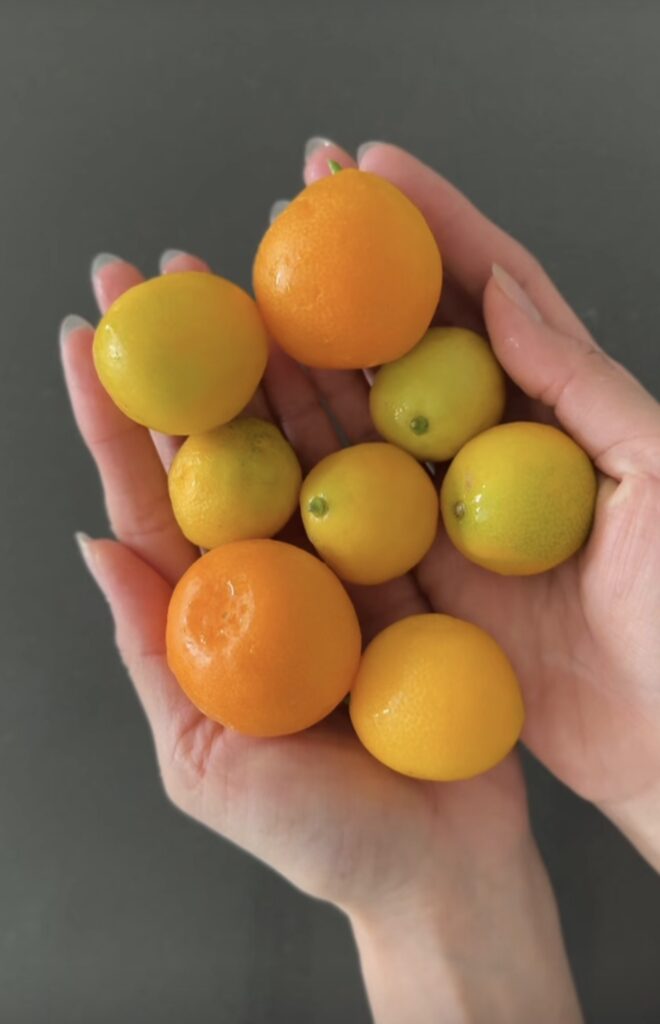
Kumquats (tắc in Vietnamese) are the heart of this sauce.
And no, regular lime juice doesn’t fully replace it.
Kumquats bring:
- brightness,
- slight bitterness from the peel,
- floral citrus notes,
- and a deeper aroma.
That bitterness is important because it balances the condensed milk beautifully.
When blended, the kumquat peel gives the sauce complexity and body — something plain lime juice can’t quite replicate.
This is why so many Vietnamese seafood restaurants specifically use tắc instead of lime.
Why Condensed Milk Works So Well
At first glance, condensed milk in seafood sauce sounds strange if you didn’t grow up around Vietnamese flavors.
But Vietnamese cooking uses condensed milk often:
- coffee,
- desserts,
- sauces,
- marinades.
Here, it softens:
- the saltiness,
- the acidity,
- and the heat.
The result isn’t a “sweet sauce.”
It’s a balanced sauce.
Creamy, bright, savory, spicy.
The Restaurant Influence Behind This Sauce
This sauce really became iconic through Vietnamese seafood restaurant culture, especially in places like:
- Garden Grove,
- Westminster,
- and Little Saigon communities.
If you’ve ever gone to a Vietnamese seafood spot late at night with:
- grilled shellfish,
- garlic noodles,
- seafood boils,
- giant trays of snails,
- or sizzling platters,
there’s a good chance this sauce was somewhere on the table.
And once it shows up, people start dipping everything into it.
🦐 Kumquat Creamy Seafood Dipping Sauce Recipe
Ingredients
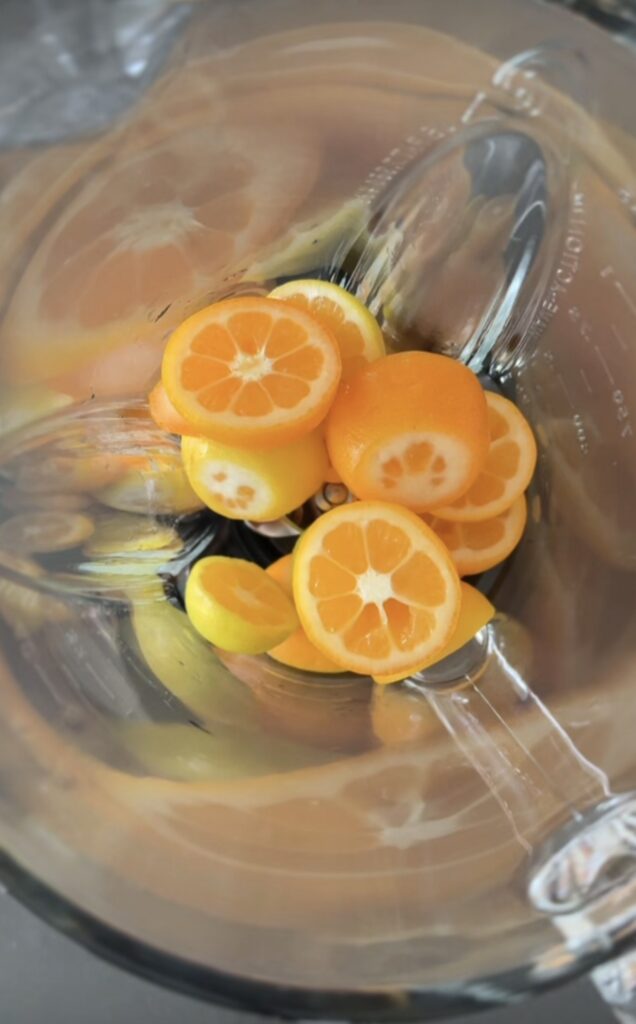
- 5–6 kumquats (tắc), deseeded
- 2–3 red Thai chilies
- 3 cloves garlic
- 3 tbsp condensed milk
- 1½ tbsp fish sauce
- 2 tsp sugar
- ½–¾ tsp salt
- 1–2 tbsp water
Optional
- ½ tsp MSG
- 1 tbsp sweet chili sauce
Ingredient Notes
Kumquats
Fresh kumquats matter here.
Look for:
- bright orange skin,
- slightly soft texture,
- fragrant aroma.
Remove seeds before blending to avoid bitterness.
Fish Sauce
Fish sauce gives the sauce its savory backbone.
Without it, the sauce tastes flat and overly sweet.
Sweet Chili Sauce (Optional)
This is more of a restaurant-style trick.
It adds:
- color,
- body,
- slight sweetness,
- and that glossy orange finish many seafood restaurants have.
MSG
Optional, but honestly very common in restaurant-style seafood sauces.
A small amount deepens the savory flavor without making the sauce taste artificial.
Instructions
1. Prep the Kumquats
Slice kumquats in half and remove the seeds.
You can keep the peel on — that’s where a lot of the flavor lives.
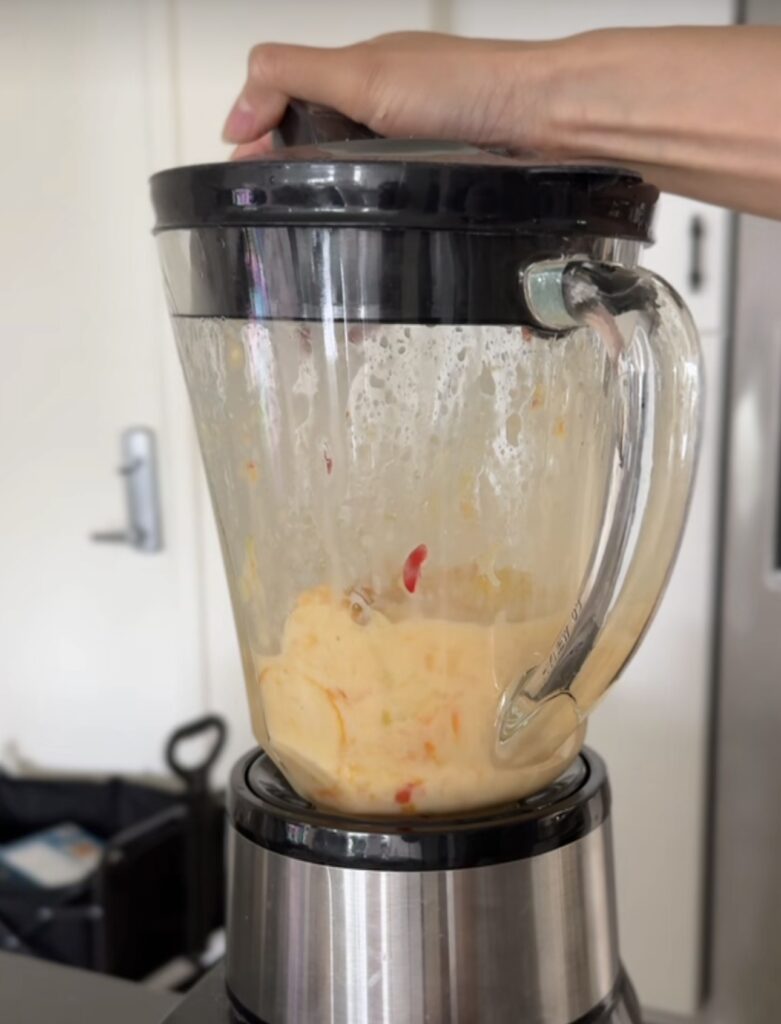
2. Blend Everything Together
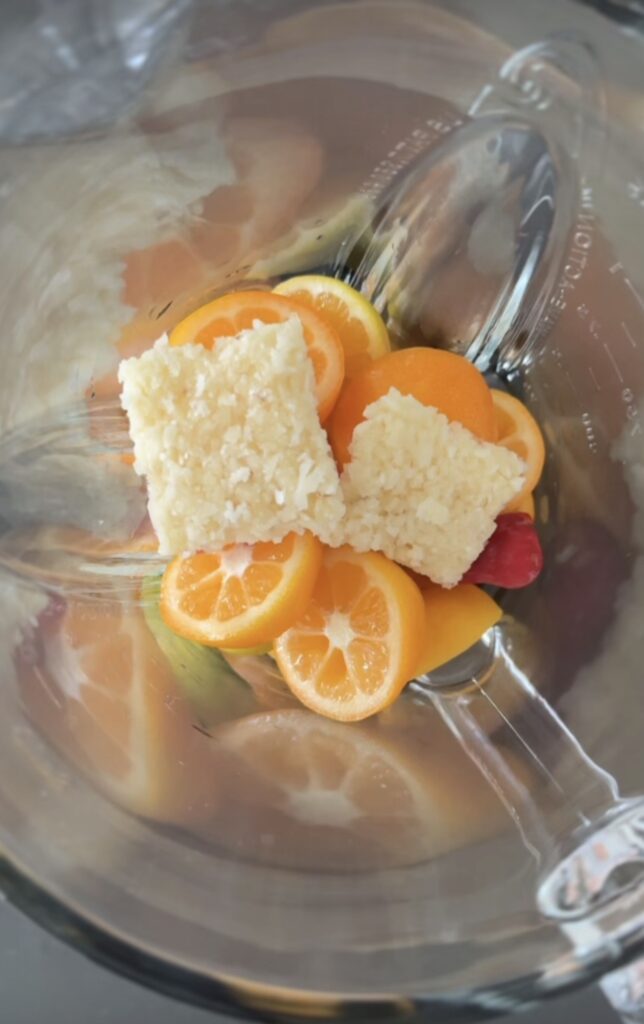
Add to a blender:
- kumquats
- chilies
- garlic
- condensed milk
- fish sauce
- sugar
- salt
- water
Blend until smooth and creamy.
3. Adjust Consistency
If the sauce feels too thick:
- add more water, 1 tbsp at a time.
If you want it creamier:
- add more condensed milk.
4. Taste & Balance
The sauce should hit:
- creamy first,
- then citrus,
- then savory heat.
Adjust:
- fish sauce for saltiness,
- sugar for balance,
- chili for heat.
5. Let It Rest
Let the sauce sit for 5–10 minutes before serving.
The garlic and citrus mellow slightly and the flavor comes together more fully.
Best Seafood Pairings
This sauce works with almost everything seafood-related.
Especially good with:
- grilled shrimp
- crab
- lobster
- scallops
- squid
- fried calamari
- fried fish
- garlic butter seafood
Honestly, once you make it, you’ll probably start dipping random things into it too.
Why This Sauce Works So Well
Vietnamese seafood sauces are all about contrast.
This one balances:
- rich condensed milk,
- salty fish sauce,
- aromatic garlic,
- bright kumquat,
- spicy chilies.
No single ingredient dominates.
That’s what makes it addictive.
The Quiet Genius of Vietnamese Seafood Culture
Vietnamese seafood culture isn’t just about the seafood itself — it’s about the sauces.
There’s usually:
- herbs,
- dipping sauces,
- citrus,
- chili,
- salt,
- texture contrasts.
The seafood becomes the vehicle for all those layered flavors.
And honestly, this sauce captures that feeling perfectly.
Storage Tips
Store in an airtight container in the fridge for:
- 3–4 days.
The flavor actually deepens slightly overnight.
Shake or stir before serving again.
Final Thoughts
Some recipes quietly become part of your routine without you realizing it.
This sauce did that for me.
What started as a restaurant discovery at an ốc spot in Garden Grove somehow became the thing I now crave with almost every seafood meal.
It’s bright, creamy, salty, spicy, and deeply comforting in that very Vietnamese way where bold flavors still feel balanced.
And honestly? Once you make it fresh with real kumquats, it’s hard to go back.

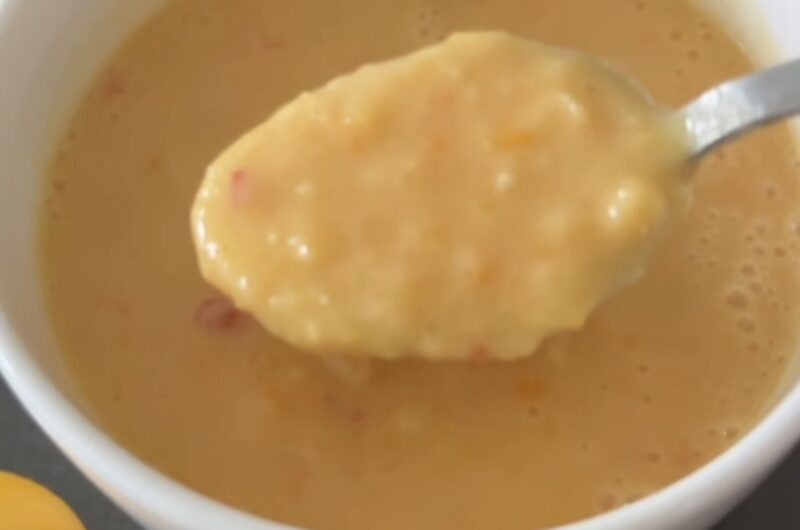
Vietnamese Kumquat Seafood Dipping Sauce (Nước Chấm Hải Sản / Muối Tắc Kem)
Course: Blog4
servings10
minutesIngredients
5–6 kumquats (tắc), deseeded
2–3 red Thai chilies
3 cloves garlic
3 tbsp condensed milk
1½ tbsp fish sauce
2 tsp sugar
½–¾ tsp salt
1–2 tbsp water
½ tsp MSG
Directions
- Add kumquats, chilies, garlic, condensed milk, fish sauce, sugar, salt, and water to a blender. Blend until smooth and creamy. (Adjust consistency with more water if needed.)
- Taste and adjust seasoning to preference.
Let sit 5–10 minutes before serving.