
Servings: 3–4
Prep Time: 20 minutes
Cook Time: 30 minutes
Total Time: ~50 minutes
💬 Introduction: My Villain Origin Story… AKA Caramelizing Sugar
Let me just say this upfront: caramelizing sugar has humbled me more than any relationship, job, or life lesson ever has. There, I said it.
Like many Vietnamese dishes, traditional cá kho tộ starts with a beautifully caramelized sugar base — dark, glossy, rich. And when my mom does it? She makes it look EASY. Like she could do it blindfolded with one hand tied behind her back.
When I do it?
The sugar seizes, burns, smokes, clumps, turns into a solid rock that could break a window — and suddenly I’m questioning every decision that led me to this pot.
So naturally… I had to make an easy version.
A version that tastes nostalgic and legit without giving me trauma flashbacks.
This recipe is for anyone who wants all the flavor of Vietnamese braised catfish without the caramel panic attack. It’s rich, savory, sweet, peppery, glossy, and perfect over rice… because honestly, rice is 80% of the joy of eating cá kho tộ.
Okay — let’s talk about what this dish actually is, beyond my caramel struggles.
🇻🇳 What Is Cá Kho Tộ?
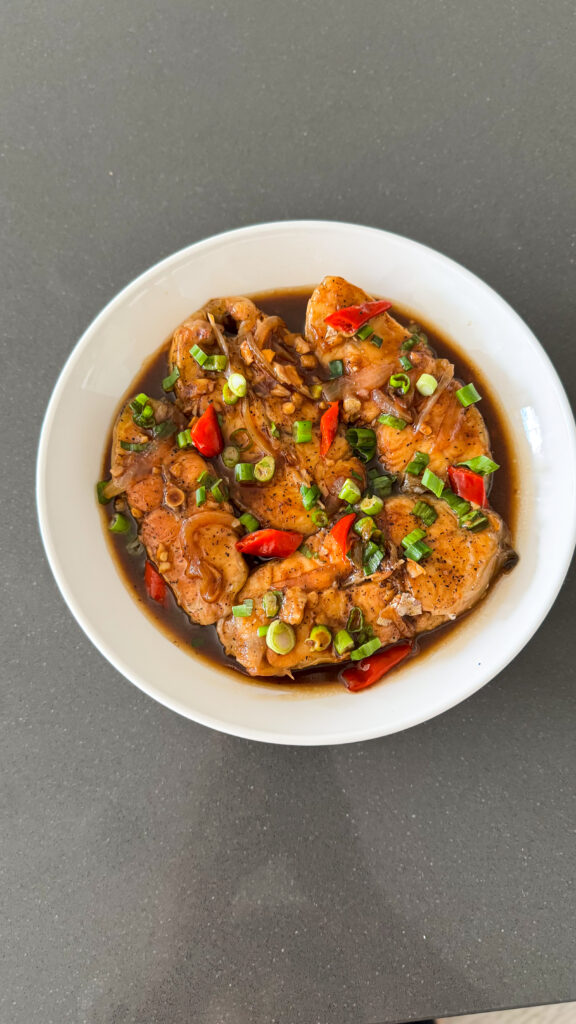
Cá kho tộ is one of the most classic Vietnamese comfort dishes ever created. The name breaks down like this:
- Cá = fish
- Kho = braised/caramelized
- Tộ = clay pot
So, cá kho tộ means caramel-braised fish in a clay pot. And yes — the clay pot is iconic. It helps the sauce reduce evenly and adds a depth of flavor you don’t get from regular cookware. But don’t worry… a normal saucepan works great too.
💛 Flavor Profile
Vietnamese braising is all about balance:
- Salty (fish sauce + soy sauce)
- Sweet (sugar + natural fish fat)
- Umami (dark soy + fish essence)
- Peppery (lots of black pepper)
- Optional heat (Thai chili)
The final sauce is thick, syrupy, sticky, and clings to the fish like a glaze. When drizzled over hot jasmine rice? ✨ Peak happiness. ✨
🌏 A Little History: The Story of Southern Vietnamese Braising
Cá kho tộ comes from Southern Vietnam, especially the Mekong Delta — a region with an entire identity built around rivers, mud-banks, and fresh water fish like catfish, basa, and snakehead (cá lóc).
Back in the day, families cooked food low and slow in clay pots because:
- Clay pots heat evenly
- They keep moisture inside
- They naturally intensify flavor
- They’re cheap, accessible, and last forever
Fish was plentiful, affordable, and didn’t require refrigeration if you caramel-braised it. The sugar-and-fish sauce combo helped preserve it longer, especially in tropical weather.
That’s why kho dishes are such a huge part of Vietnamese cuisine — they’re built on old-school techniques before technology made cooking easier.
Now, modern versions (like mine) shortcuts some of those steps… because we’re cooking between emails and errands, not living in the delta stirring clay pots all day.
But the flavor? Still there. Still home.
🧂 Why My Version Works
Because I skip the hardest part — the caramel.
Instead, I rely on:
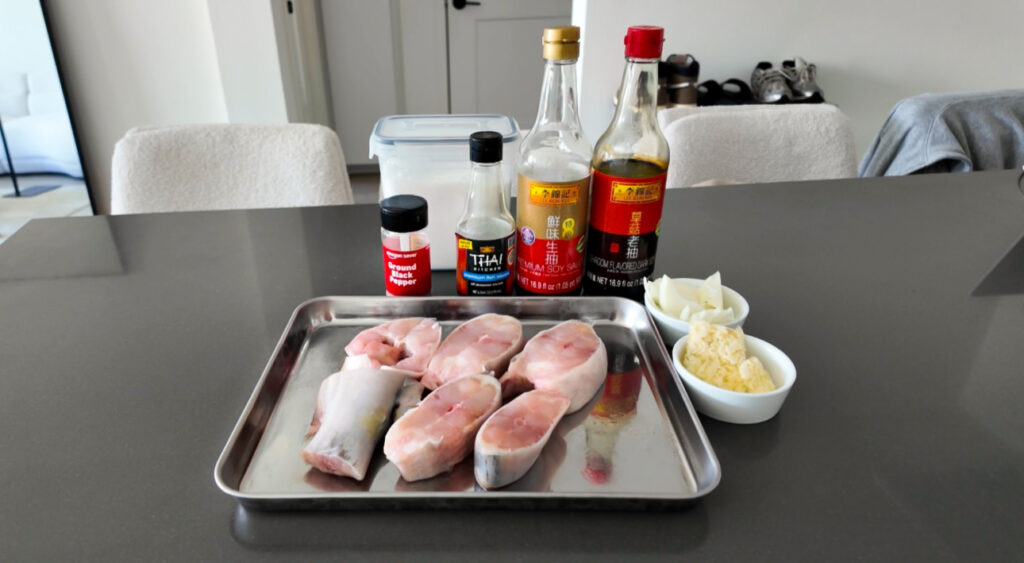
- Dark soy sauce → that deep amber color
- Regular soy sauce → flavor depth
- Fish sauce → the salty backbone
- A touch of sugar → sweetness and natural caramelization
- Searing the fish → creates its own caramel effect when the sauce reduces
This method is fail-proof. No burning. No clumping. No crying.
(Okay, crying optional depending on the day.)
🛒 Ingredients (Serves 3–4)
🐟 Main Ingredients
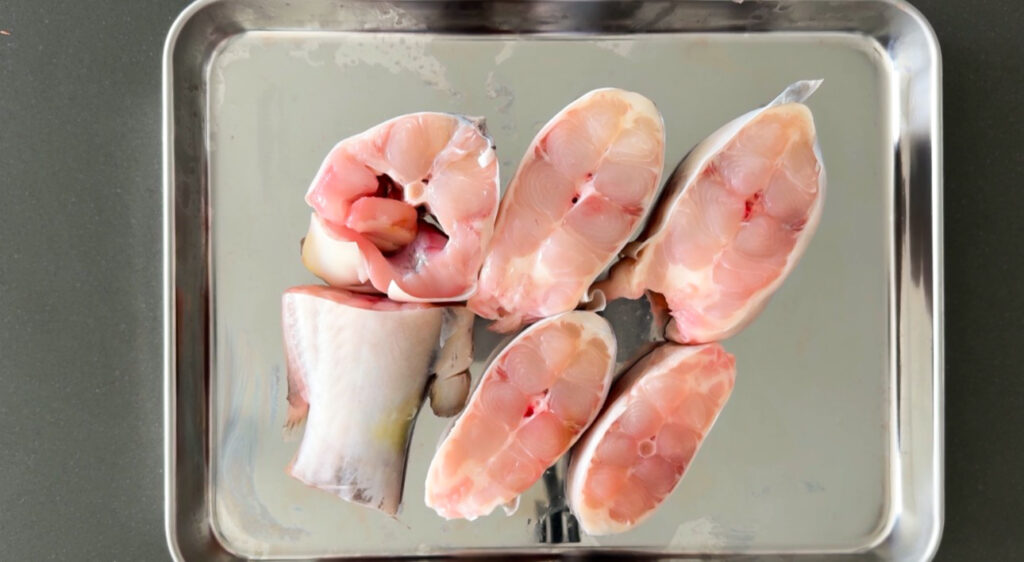
- 1.5 lb catfish steaks, cut into 2-inch pieces (skin-on preferred)
- 2 tbsp fish sauce
- 1 tbsp dark soy sauce
- 1 tbsp regular soy sauce
- 1.5 tbsp sugar
- 1 tbsp cooking oil
- 2 cloves garlic, minced
- ¼ medium yellow onion, thinly sliced
- 1 cup water (or coconut water next time for richer flavor)
- ¼ tsp black pepper
- Optional: Thai chiles or chili flakes
🌿 Garnish
- Green onion (sliced)
- More black pepper
🔥 Step-by-Step Instructions
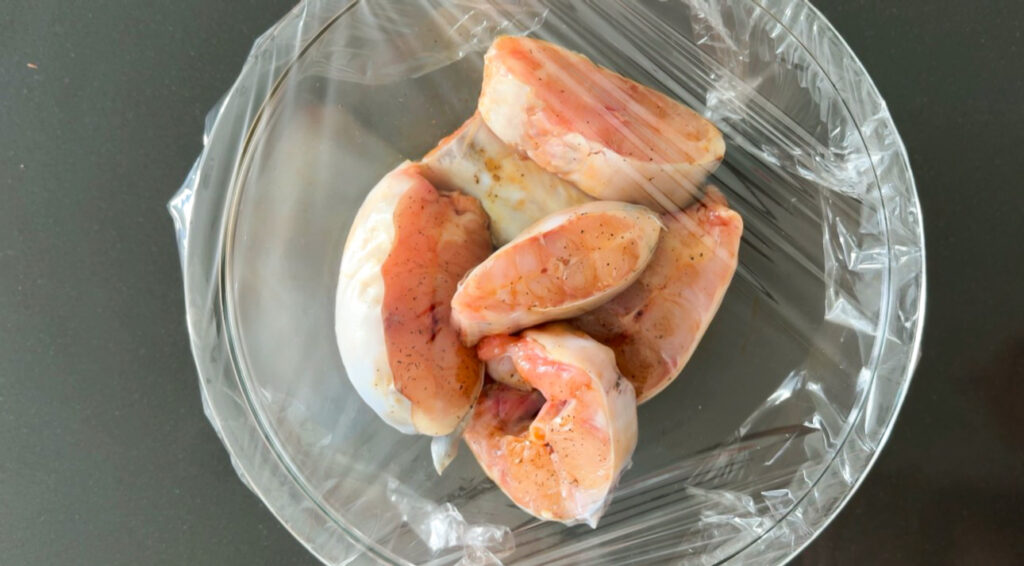
1. Marinate the Fish
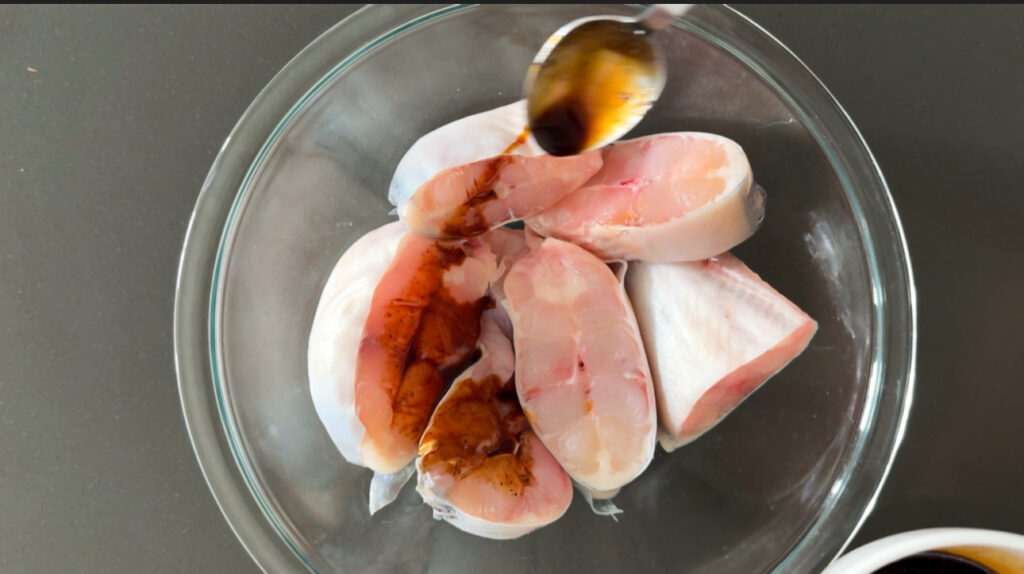
In a bowl, combine:
- Catfish
- Fish sauce
- Dark soy sauce
- Light soy sauce
- Sugar
- Black pepper
Let marinate 15–30 minutes.
👉 Pro tip: If the fish is too wet, pat it dry before marinating. This helps the sauce cling and caramelize beautifully later.
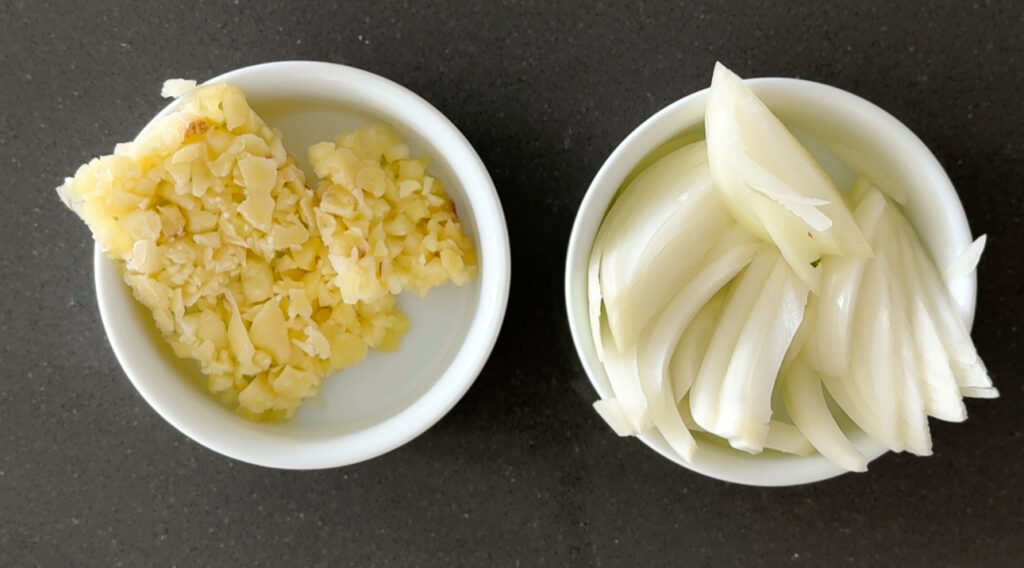
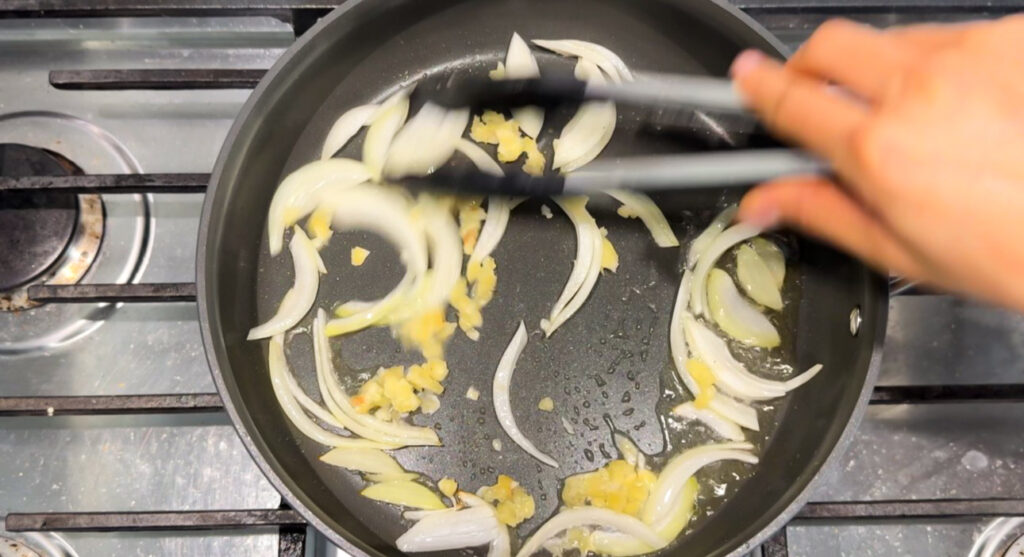
2. Sauté the Aromatics
Heat oil in a clay pot or saucepan.
Add onions + garlic.
Cook until fragrant and lightly golden.
This step is what makes your kitchen smell ridiculously good.
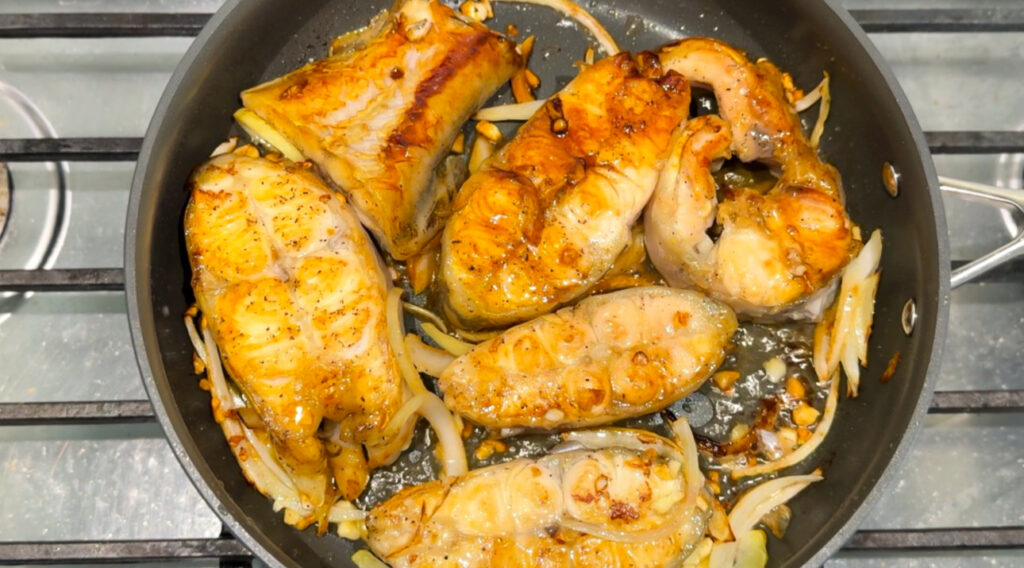
3. Sear the Fish
Lay the fish pieces into the pot in one layer.
Let them sear 2–3 minutes per side.
The marinade + sugar will naturally start to caramelize.
No extra caramelizing step needed. Zero stress.
4. Braise
Pour the remaining marinade over the fish.
Add water (or coconut water for richness).
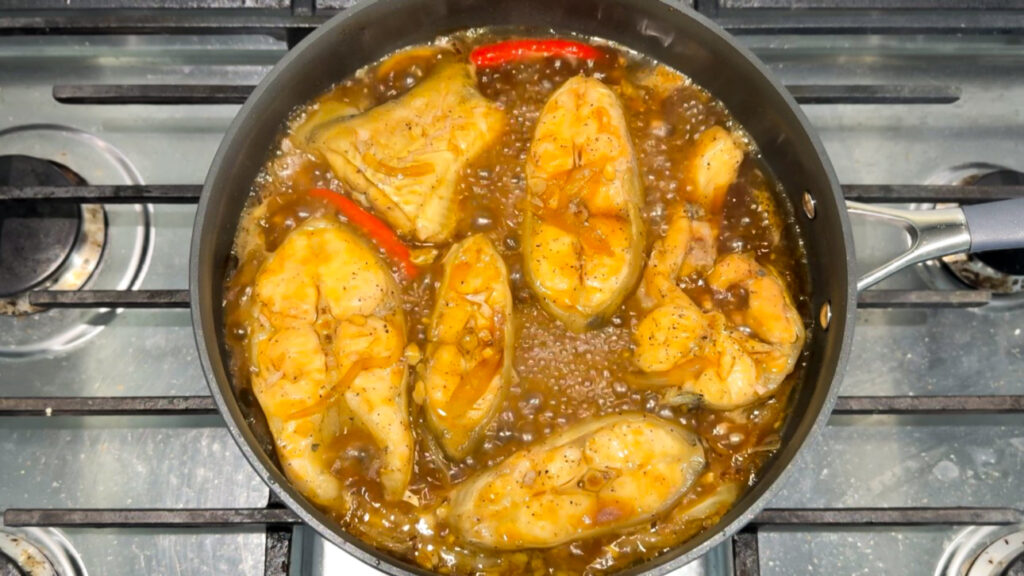
Simmer uncovered for 20–30 minutes.
Spoon the sauce over the fish as it cooks.
You’re looking for the sauce to turn:
- Dark
- Glossy
- Syrupy
- Sticky
If reducing too fast → add water
If too watery → simmer longer
5. Taste & Adjust
Cá kho tộ is all about balance.
Taste and adjust:
- More fish sauce = saltier
- More sugar = sweeter
- More chili = spicier
6. Serve Hot (Like… Hot Hot Hot 🔥)
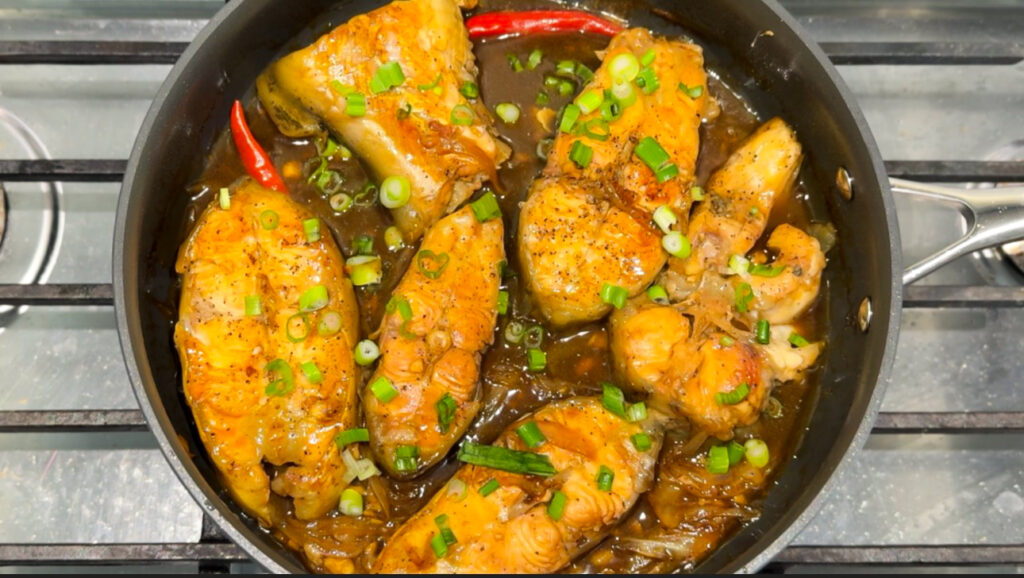
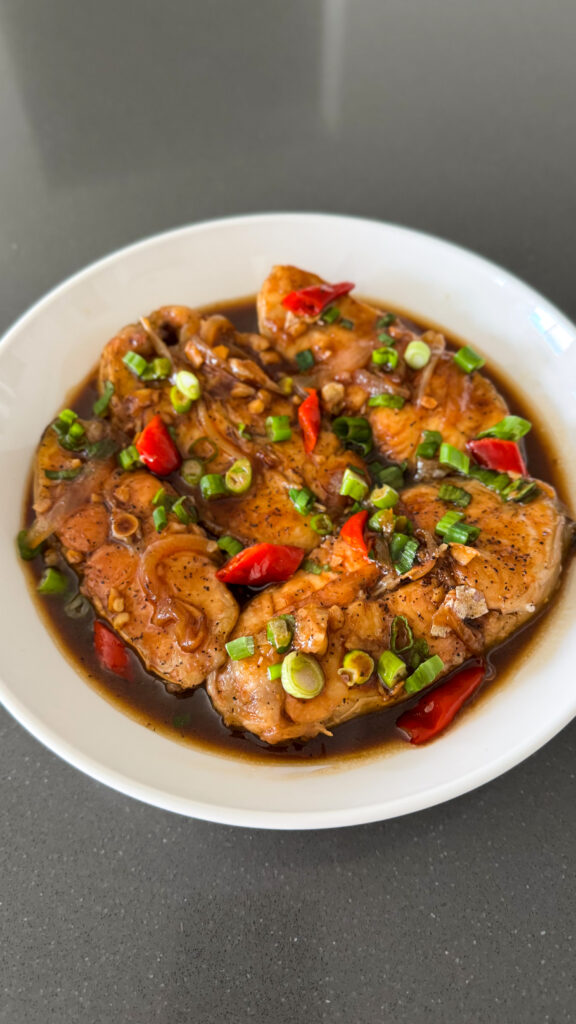
Top with green onion & extra pepper.
Serve with fluffy jasmine rice.
Bonus points if you pair with my Canh Chua Cá.
That sweet-sour soup + this salty-sweet braised fish = the ultimate Vietnamese duo.
🍚 How to Eat Cá Kho Tộ Like a True Viet
There is only one correct answer:
WITH RICE.
A mountain of rice.
A criminal amount.
Like “your mom is silently judging but you don’t care” amount.
Drizzle that glossy sauce all over the rice.
Get a bite of fish + sauce + rice together.
This dish was made for rice.
The fish is the main character, but the rice is the support system.
💡 Tips & Variations
- Use coconut water for deeper flavor
- Switch catfish for salmon (yes it works!)
- Add pork belly for a richer broth
- Add ginger slices for warmth
- Braise longer for thicker, stickier sauce
🧠 More About Kho Dishes
Vietnamese cuisine has a whole category of kho dishes, not just fish:
- Thịt kho trứng — caramelized pork & egg
- Gà kho gừng — braised ginger chicken
- Tôm kho tiêu — black pepper caramel shrimp
- Cá kho tiêu — braised fish with pepper
These dishes were designed for:
- Preservation
- Maximum flavor with minimal ingredients
- Pairing with rice (always)
The caramel-like glaze is what makes Vietnamese kho dishes special — glossy, sticky, addictive.
🌿 Why Cá Kho Tộ Hits So Hard Emotionally
There’s something deeply nostalgic about this dish.
It’s the weeknight staple for so many Vietnamese families.
It’s the “mom made this because you had a long day” dish.
It’s simple, humble, and comforting.
You don’t need perfect technique to make it delicious.
You just need patience, flavor balance, and honesty with yourself (like: do I really have time to caramelize sugar today? No. No, I don’t.)
This easy version is how many of us cook now — still honoring the tradition, just adapted for modern life.
Conclusion
Cá kho tộ is one of those dishes that feels like a warm hug — simple, salty-sweet, and deeply comforting. It’s a classic Vietnamese recipe that has survived generations because it’s balanced, affordable, and impossibly satisfying with rice.
My easy version keeps all the nostalgia and flavor without the caramel stress, making it perfect for everyday cooking.
If you’ve ever wanted to try making this dish but felt intimidated — this is your sign that you can absolutely do it. And honestly? Once you taste that first glossy, peppery bite with hot rice… there’s no going back.

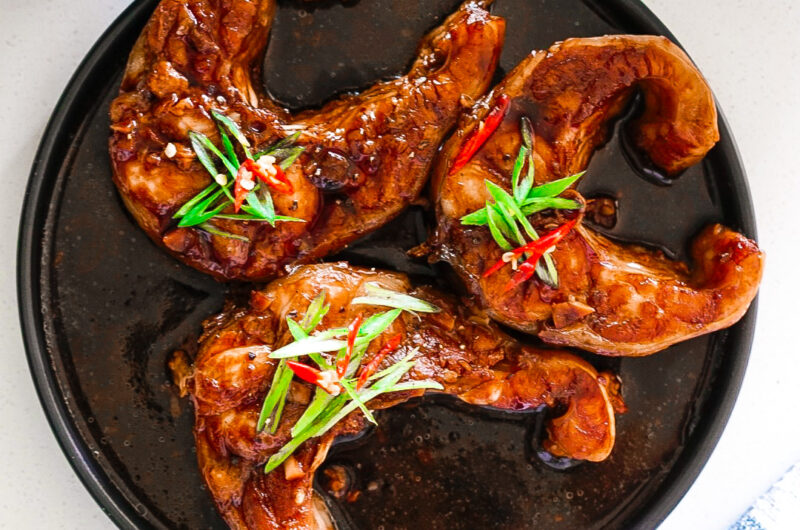
Cá Kho Tộ aka Vietnamese Braised Catfish
Course: Recipes, Dinner, LunchCuisine: viet, vietnamese, asianDifficulty: easy3-4
servings20
minutes30
minutesCá kho tộ is one of the most classic Vietnamese comfort dishes ever created. cá kho tộ means caramel-braised fish in a clay pot.
Ingredients
1.5 lb catfish steaks
2 tbsp fish sauce
1 tbsp dark soy sauce
1 tbsp regular soy sauce
1.5 tbsp sugar
2 cloves garlic
¼ yellow onion
1 cup water
Black pepper
Optional chili
Directions
- Marinate catfish in sauces, sugar, and pepper 15–30 mins.
- Sauté garlic + onion until fragrant.
Sear fish 2–3 mins per side. - Braise with marinade, water and chilies for 20–30 mins until glossy.
Adjust seasoning. - Garnish with green onions and a dash of black pepper. Serve hot with rice.