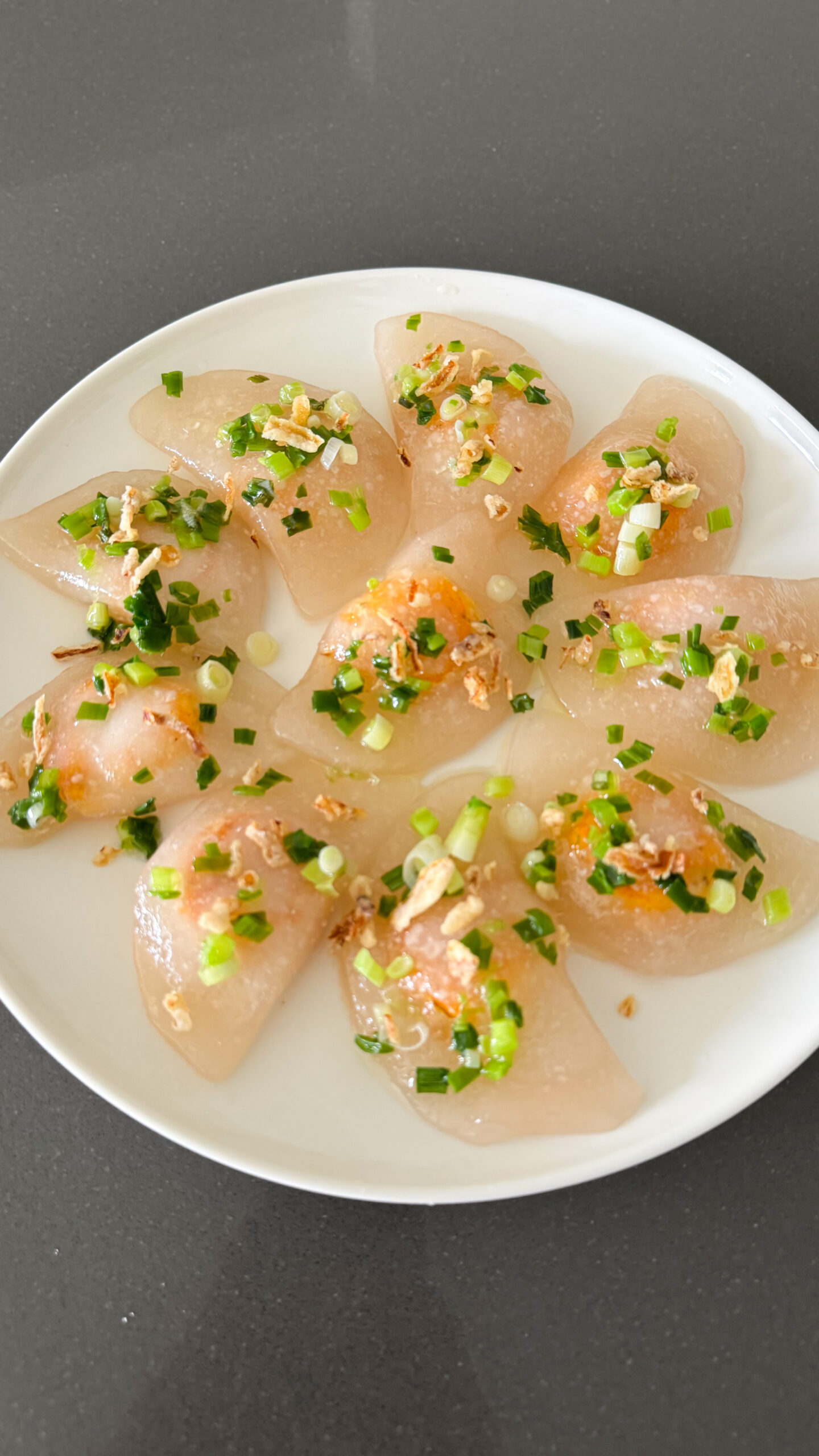
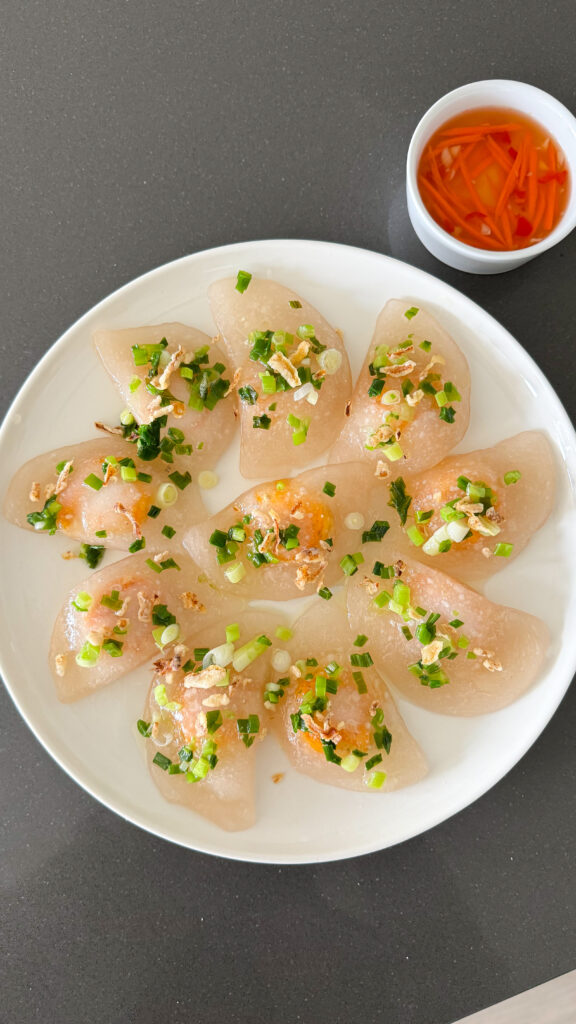
If you’ve ever Googled “chewy Vietnamese dumplings” or “clear shrimp dumplings Vietnamese style,” this is the dish you were looking for — bánh bột lọc trần.
These are the translucent, chewy Vietnamese tapioca dumplings made with tapioca starch, filled with shrimp, boiled until glossy, and finished with scallion oil and nước mắm. No banana leaves. No hiding. Just chewy perfection.
This version is the classic shrimp-only bánh bột lọc trần — the kind that shows up at family gatherings, snack time, or whenever someone’s mom had both patience and time.
What Is Bánh Bột Lọc?
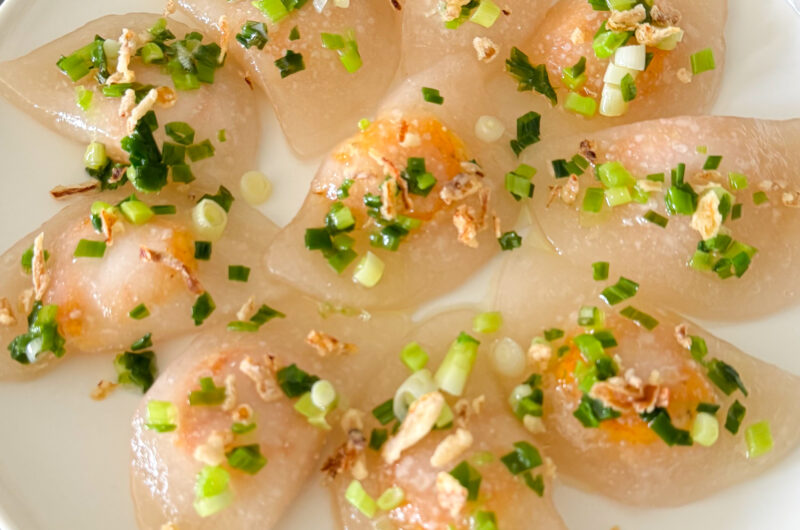
Bánh bột lọc is a traditional Vietnamese dumpling made from tapioca starch, giving it that signature chewy, elastic, slightly bouncy texture. Once cooked, the dough turns translucent, letting you see the filling inside — usually shrimp, pork belly, or both.
There are two main styles:
- Bánh bột lọc gói – wrapped in banana leaves and steamed
- Bánh bột lọc trần – unwrapped (“naked”) and boiled
This recipe focuses on bánh bột lọc trần, which is simpler to make at home and highlights the texture of the tapioca dough front and center.
Where Bánh Bột Lọc Comes From (A Quick History)
Bánh bột lọc originates from Central Vietnam, especially Huế, a region known for refined, detail-oriented dishes that look simple but require technique.
Tapioca starch comes from cassava, a crop well suited to Central Vietnam’s climate. That’s why many dishes from this region lean chewy rather than fluffy — very different from wheat-based dumplings.
Traditionally, bánh bột lọc was served as a snack or small plate, often with a light fish sauce dipping sauce and fried shallots. It’s humble, but extremely intentional — every bite matters.
Why Tapioca Dough Can Be Tricky (And Totally Normal)
If this is your first time making bánh bột lọc dough, here’s the truth:
Tapioca starch is unpredictable.
Different brands absorb water differently. Humidity matters. Temperature matters. One batch might be perfect, the next might feel like glue.
That’s why this recipe is written with flexibility built in. If your dough feels too sticky, adding more tapioca starch is not a failure — it’s exactly what you’re supposed to do.
Annatto Oil: For Color, Not Flavor
That subtle orange tint you see in bánh bột lọc comes from annatto. It’s used primarily for color, not taste.
If you have annatto powder, it works beautifully — just bloom it briefly in oil first. This releases the pigment and prevents graininess.
Bánh Bột Lọc Trần Recipe (Vietnamese Shrimp Tapioca Dumplings)
Yield
About 25 dumplings
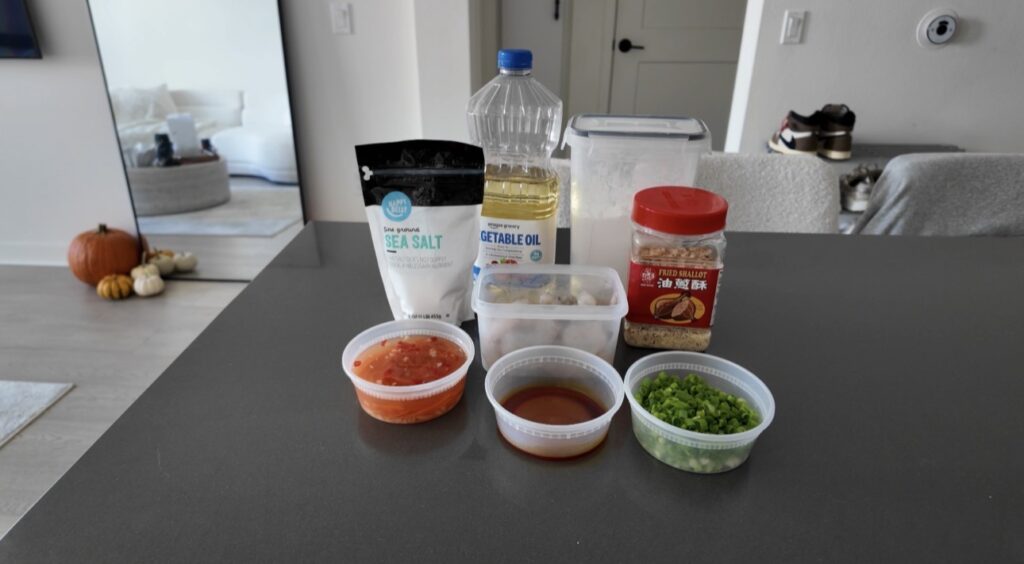
Ingredients
Tapioca Dough
- 2 cups tapioca starch
- 1 cup boiling water
- 1 tbsp neutral oil
- Pinch of salt
- Up to ½ cup extra tapioca starch, added gradually as needed
Shrimp Filling
- ½ lb small shrimp, peeled
- ½ tsp fish sauce
- ½ tsp sugar
- ¼ tsp black pepper
- 1 tsp minced garlic
- 1–2 tsp annatto oil
Annatto Oil
- 1–2 tsp neutral oil
- ½–1 tsp annatto powder
Scallion Oil (Mỡ Hành)
- 4 green onions, thinly sliced
- ¼ cup neutral oil
- Pinch of salt
- ½ tsp sugar (optional, but recommended)
Nước Mắm Dipping Sauce
- 3 tbsp fish sauce
- 3 tbsp sugar
- 3 tbsp water
- 2 tbsp lime juice
- Minced garlic and chili
How to Make Bánh Bột Lọc Trần
1. Make the Annatto Oil
Heat oil in a small pan. Add annatto powder and stir for 10–20 seconds until the oil turns bright orange. Remove from heat immediately. Strain if desired.
2. Prepare the Shrimp Filling
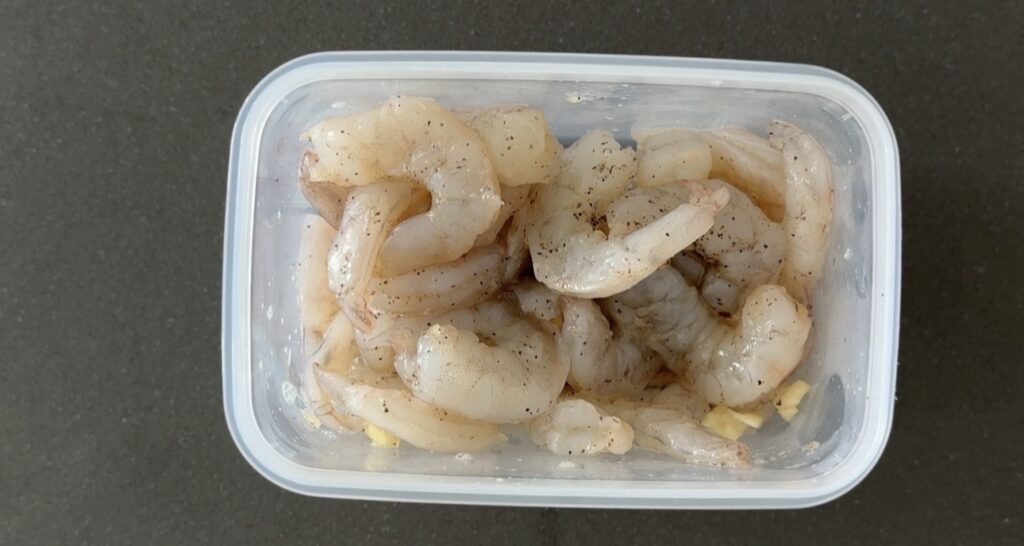
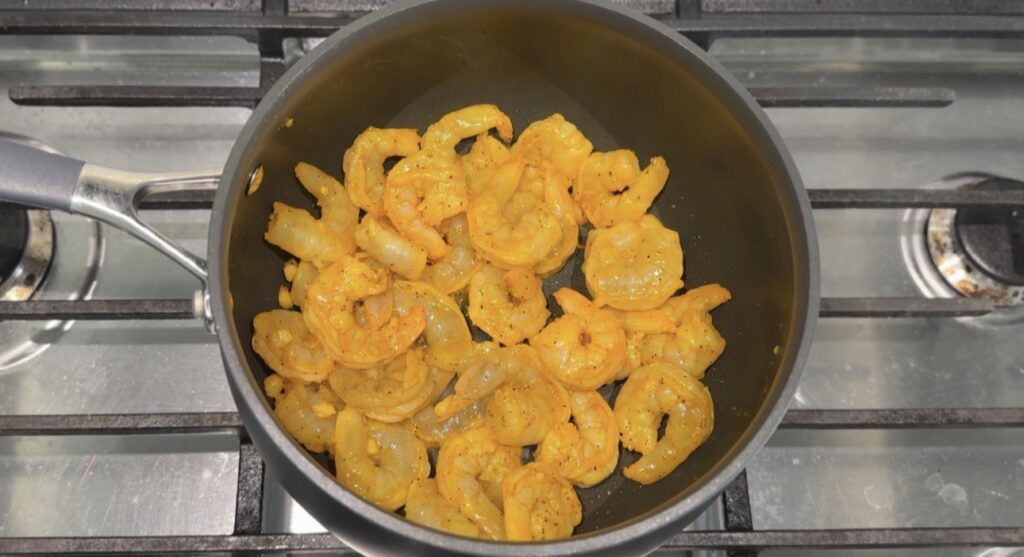
Season shrimp with fish sauce, sugar, pepper, and garlic. Sauté briefly in annatto oil until just barely cooked. Set aside.
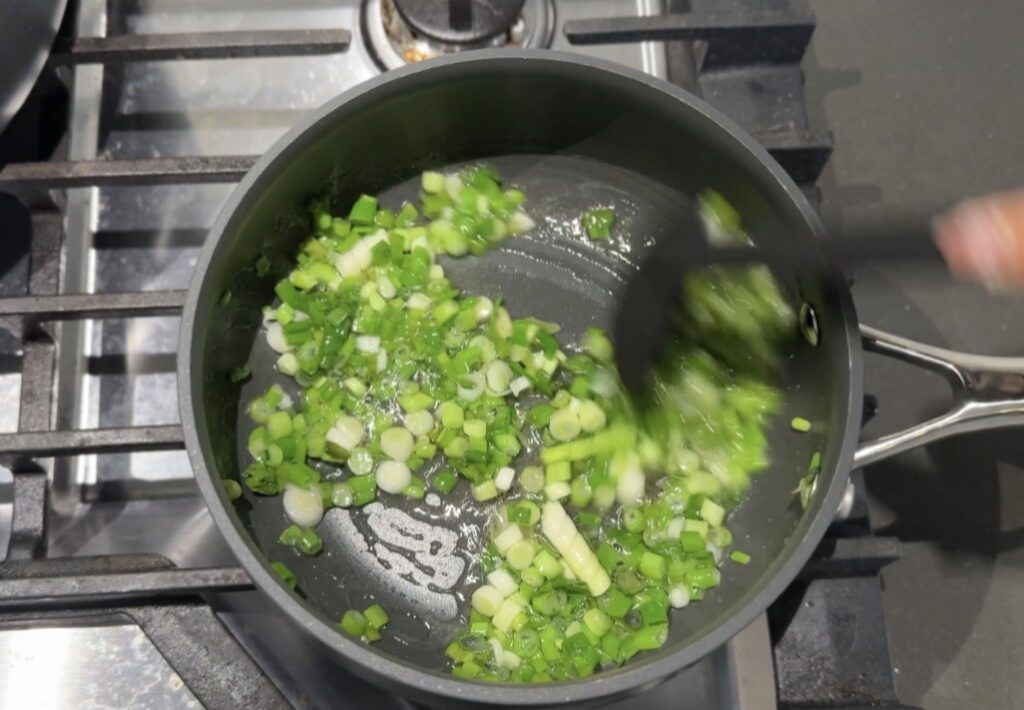
3. Make the Scallion Oil
Heat oil in a pan until shimmering. Add green onions, salt, and sugar directly into the oil. Stir for 10–20 seconds until fragrant and softened but still vibrant green. Remove from heat.
4. Make the Tapioca Dough
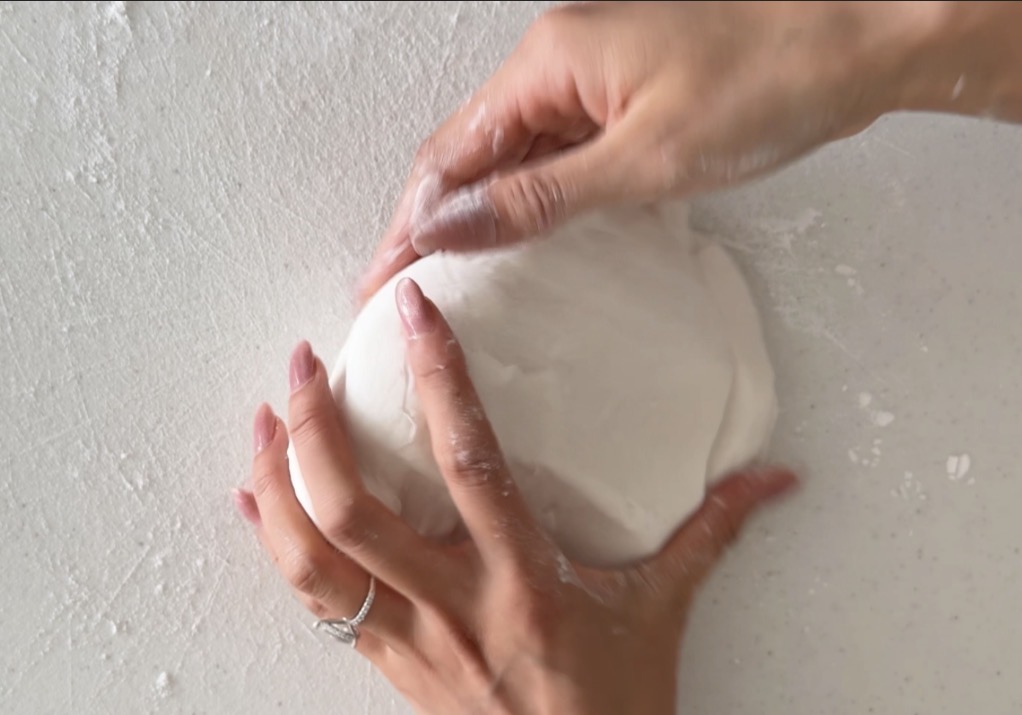
Place tapioca starch and salt in a bowl. Pour in boiling water immediately and mix with chopsticks or mixer with dough hook. Add oil and knead.
If the dough is too sticky, add extra tapioca starch one tablespoon at a time until smooth, elastic, and no longer sticking to your hands. The dough should feel like soft mochi.
5. Shape the Dumplings
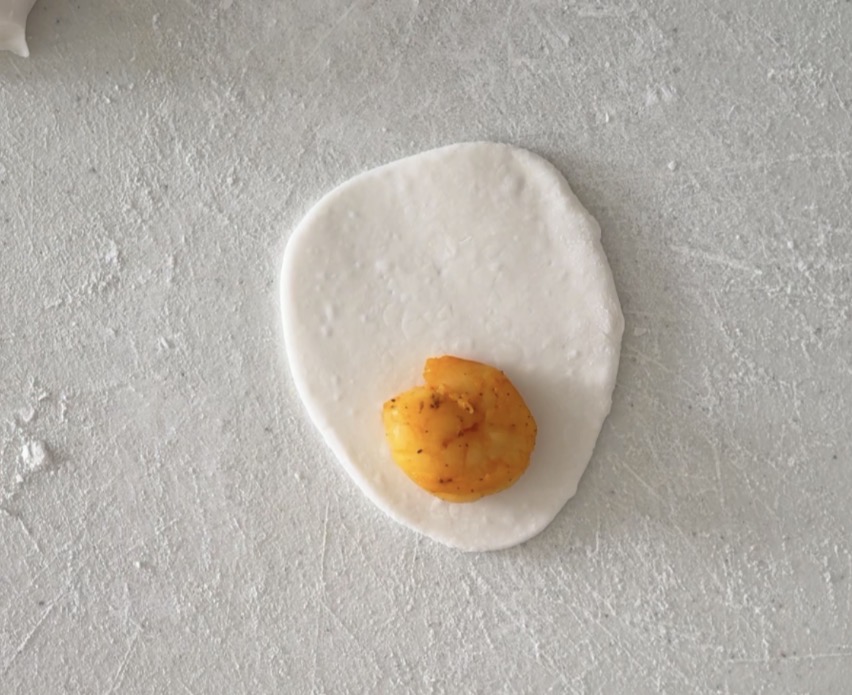
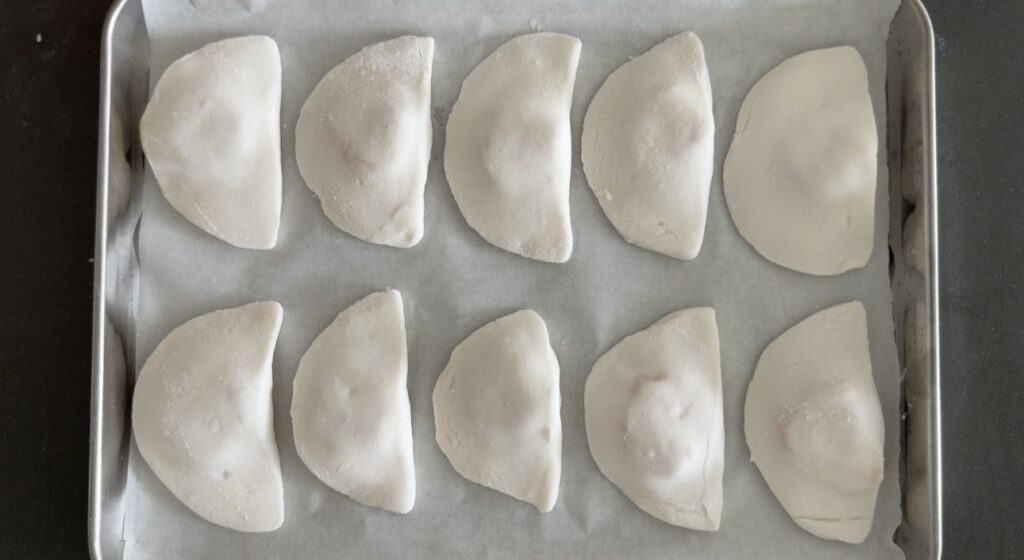
Pinch off grape-sized pieces of dough, flatten, add one shrimp, and seal tightly. Lightly oil your fingers if needed.
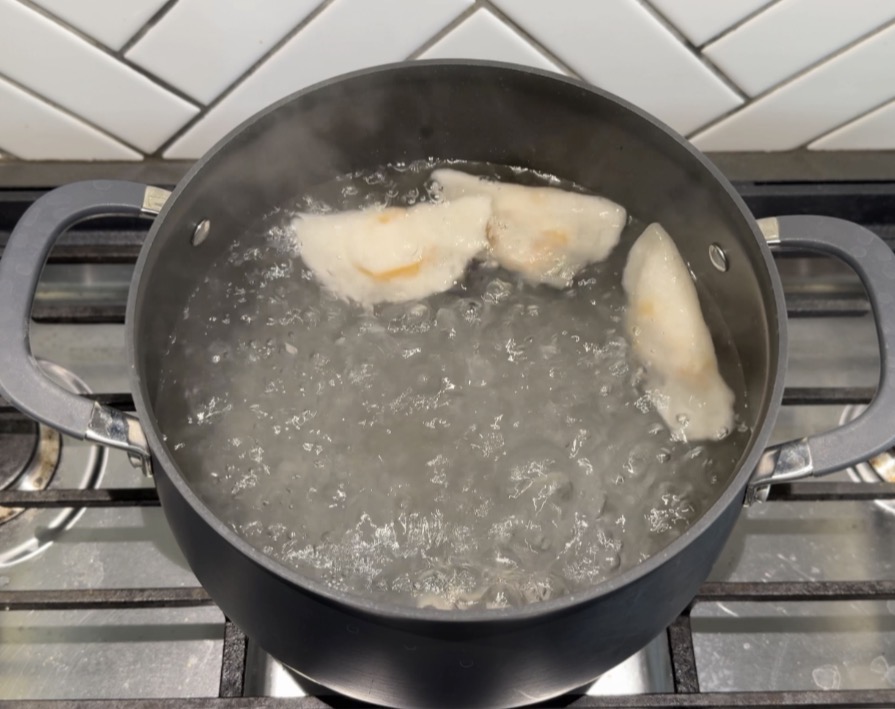
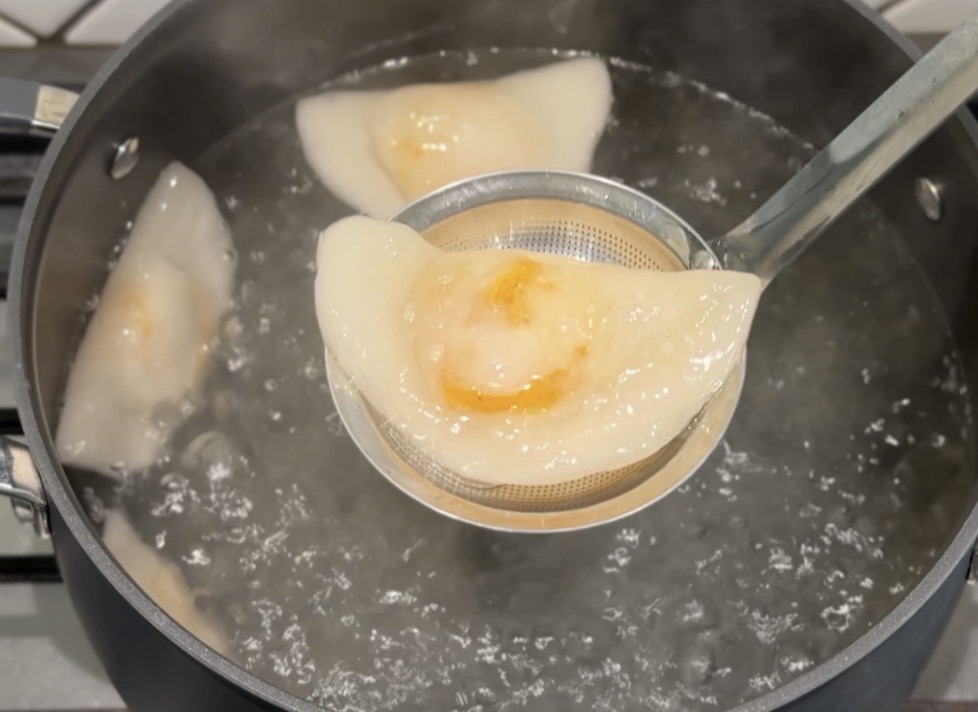
6. Boil the Dumplings
Bring a pot of lightly salted water to a boil. Add dumplings and cook until they float, then boil for one additional minute. They should turn fully translucent.
Transfer immediately to a bowl and toss with scallion oil to prevent sticking.
How to Serve Bánh Bột Lọc
Top with:
- Fried shallots
- Extra scallion oil
- Nước mắm dipping sauce
Serve warm or at room temperature.
❓ Bánh Bột Lọc Trần FAQ
Why is my bánh bột lọc dough so sticky?
Tapioca starch varies a lot by brand and even humidity. If your dough feels sticky or glue-like, add more tapioca starch 1 tablespoon at a time until it’s soft, stretchy, and no longer sticks to your hands. This is normal — not a mistake.
What texture should bánh bột lọc dough feel like?
The dough should feel mochi-like: soft, elastic, and slightly tacky but not wet. If it tears, it needs more hot water. If it smears everywhere, it needs more starch.
Can I use annatto powder instead of annatto seeds?
Yes. Annatto powder works great — just bloom it briefly in oil to release the color. Don’t add it directly to the shrimp or dough or it can taste grainy. Annatto is used for color, not flavor.
Why do my dumplings turn translucent when cooked?
That’s the tapioca starch doing its thing. Once the dumplings are fully cooked, the starch gelatinizes and turns clear. If they’re still cloudy, they need more time.
How do I know when bánh bột lọc is done cooking?
When the dumplings float to the surface and turn fully translucent, they’re ready. Let them boil for about 1 minute after floating to ensure the dough is cooked through.
Why do my dumplings stick together after boiling?
Tapioca starch is sticky by nature. Toss the dumplings immediately in scallion oil while they’re hot to keep them glossy and separated.
Can I make bánh bột lọc ahead of time?
Yes. You can shape the dumplings and refrigerate them (covered) for up to one day before boiling. Cooked dumplings are best eaten fresh but can be reheated gently in hot water.
Is bánh bột lọc gluten-free?
Yes. Bánh bột lọc is naturally gluten-free since it’s made with tapioca starch from cassava.
What’s the difference between bánh bột lọc trần and bánh bột lọc gói?
Trần means unwrapped and boiled. Gói is wrapped in banana leaves and steamed. Same dough, different method and presentation.
Why is bánh bột lọc so chewy?
That signature chew comes from tapioca starch. It’s meant to be bouncy and elastic — that texture is the whole point.
Why This Vietnamese Dumpling Is So Loved
Bánh bột lọc isn’t flashy, but it’s unforgettable. The chewiness, the light shrimp filling, the fish sauce — it’s one of those dishes that tastes like care and patience.
If you grew up with Vietnamese food, this dish probably lives somewhere in your muscle memory. And if you didn’t? This is a perfect place to start.

How to make Bánh Bột Lọc Trần (Vietnamese Shrimp Dumplings)
Course: lunch, dinner, SnacksCuisine: viet, vietnamese, asianDifficulty: Medium4
servings25
minutes10
minutesBánh bột lọc trần are translucent, chewy Vietnamese tapioca dumplings made with tapioca starch, shrimp and finished with scallion oil.
Ingredients
- Tapioca Dough
2 cups tapioca starch
1 cup boiling water
1 tbsp neutral oil
Pinch of salt
Up to ½ cup additional tapioca starch, added gradually as needed
- Shrimp Filling
½ lb small shrimp, peeled
½ tsp fish sauce
½ tsp sugar
¼ tsp black pepper
1 tsp minced garlic
1–2 tsp annatto oil
- Annatto Oil
1–2 tsp neutral oil
½–1 tsp annatto powder
- Scallion Oil (Mỡ Hành)
4 green onions, thinly sliced
¼ cup neutral oil
Pinch of salt
½ tsp sugar (optional)
- Nước Mắm Dipping Sauce
3 tbsp fish sauce
3 tbsp sugar
3 tbsp water
2 tbsp lime juice
Minced garlic and chili, to taste
Directions
- Make the annatto oil:
Heat oil in a small pan. Add annatto powder and stir 10–20 seconds until the oil turns bright orange. Remove from heat immediately. Strain. - Prepare the shrimp:
Toss shrimp with fish sauce, sugar, pepper, and garlic. Sauté briefly in annatto oil until just barely cooked. Set aside. - Make the scallion oil:
Heat oil in a pan until shimmering. Add green onions, salt, and sugar directly to the pan. Stir 10–20 seconds until fragrant and softened but still bright green. Remove from heat. - Make the dough:
Place tapioca starch and salt in a bowl. Pour in boiling water immediately and mix with chopsticks or mixer with dough hook. Add oil and knead until smooth.
If dough is too sticky, add extra tapioca starch 1 tablespoon at a time until elastic and no longer sticking to your hands. - Shape the dumplings:
Pinch off grape-sized pieces of dough, flatten into discs, place one shrimp inside, and seal tightly. Lightly oil fingers if needed. - Boil:
Bring a pot of lightly salted water to a boil. Add dumplings and cook until they float, then boil 1 additional minute. Dumplings should be fully translucent. Transfer dumplings to a bowl and immediately toss with scallion oil to prevent sticking.