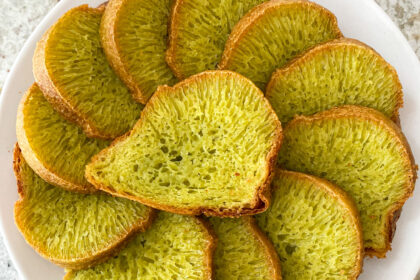

Bánh Da Lợn (Vietnamese Steamed Layer Cake) – A Bakery Classic
Servings: ~1 9×9 tray (12–16 pieces, depending how you cut)
Prep Time: 25 minutes (plus mung bean soak)
Cook Time: 40–50 minutes
Total Time: ~1 hr 15 min active (plus soak)
A Vietnamese Bakery Classic
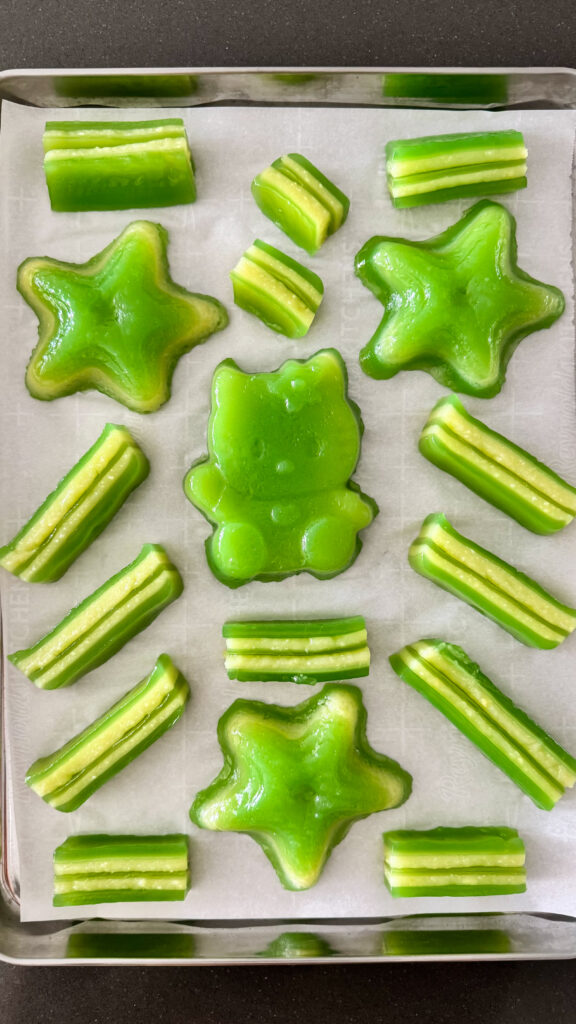
Today we’re making a Vietnamese bakery classic: bánh da lợn. If you grew up going to Vietnamese bakeries, you know exactly what I’m talking about. These vibrant, chewy, slightly bouncy steamed layer cakes are always in the case — usually in green and yellow, cut into long rectangular strips and stacked neatly like little bricks.
The name might make you pause: bánh da lợn literally translates to “pig skin cake.” But don’t worry — there’s zero pork skin in sight. The name comes from the cake’s texture: springy, chewy, and slightly translucent, like the feel of pig skin after it’s cooked. It’s a very Vietnamese way of describing texture rather than flavor. (We love naming dishes after vibes, not ingredients 😂).
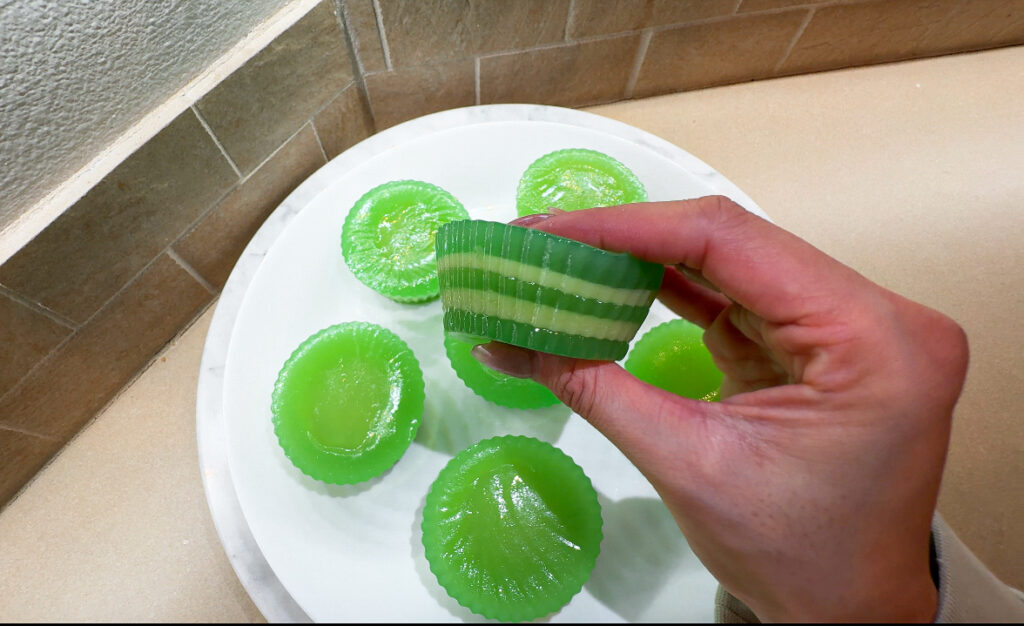
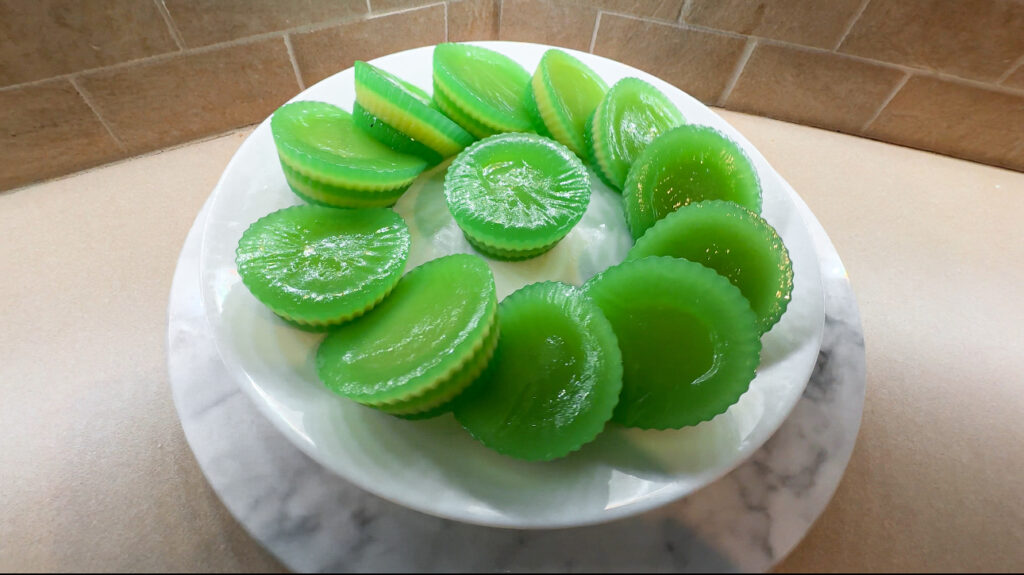
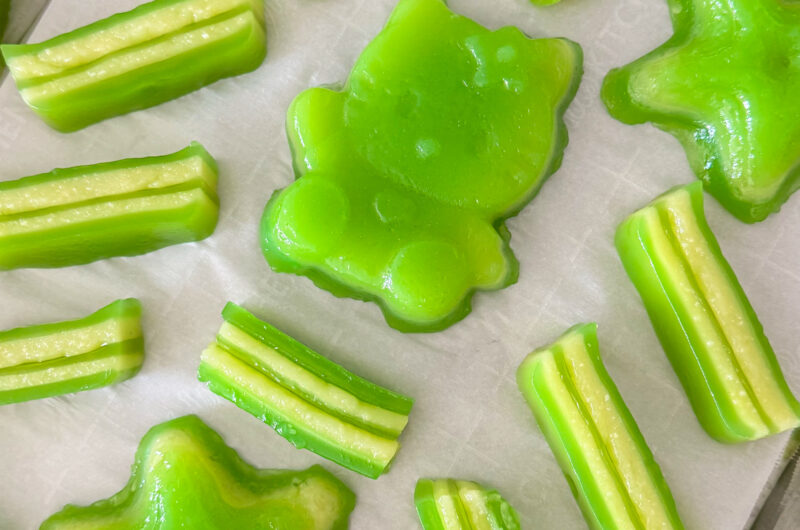
Traditionally, bánh da lợn is cut into strips or rectangles, but honestly you can have fun with it. I did mine both ways — cut into strips and poured into molds (hello Kitty, stars, whatever your heart desires). It’s a dessert that’s meant to bring joy, so why not make it cute?
What Is Bánh Da Lợn?
Bánh da lợn is a steamed layer cake made with a combination of tapioca starch, rice flour, coconut milk, sugar, and flavorings like pandan and mung bean. The result is a cake that’s:
- Chewy and bouncy (thanks to tapioca)
- Lightly sweet and fragrant (pandan + coconut = perfection)
- Beautifully layered (each steamed separately, one at a time, for that signature striped look)
The classic version has alternating green (pandan) and yellow (mung bean) layers. The pandan layer is lightly floral and grassy, while the mung bean layer is creamy and rich — kind of like a custard but chewier. Together, they’re a textural and flavor match made in heaven.
🌿 History & Cultural Context
Bánh da lợn is a beloved Vietnamese dessert often found in bakeries, markets, and family celebrations. Its origins trace back to Southern Vietnam, where pandan and mung bean were abundant and commonly used in sweets.
The steamed layer technique reflects a broader Southeast Asian dessert tradition (think Indonesian lapis legit or Filipino sapin-sapin), but bánh da lợn has its own distinct identity. The chewiness from tapioca starch sets it apart, making it both nostalgic and uniquely Vietnamese.
The name — “pig skin cake” — has always made kids giggle, but for Vietnamese families, it’s part of the charm. The name captures exactly what the texture feels like: smooth, stretchy, a little bouncy, and glossy.
🧾 Ingredients
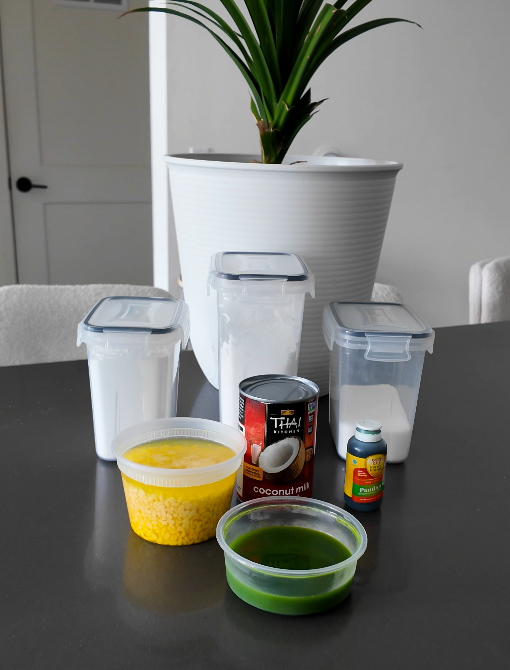
Green Layer (Pandan)
- 1 ½ cups tapioca starch
- ¼ cup rice flour
- ¾ cup sugar
- 2 cups water
- ¼ tsp pandan extract
- ½ tsp vegetable oil
Yellow Layer (Mung Bean)
- ½ cup dried split mung beans (soaked overnight or at least 4 hrs)
- ⅛ tsp salt
- 1 ¾ cups water
- ¾ cup tapioca starch
- 2 tbsp rice flour
- ½ cup coconut milk
- ¾ cup sugar
Other
- Cooking spray (or neutral oil for greasing)
⏱ Time & Yield
- Soaking time: 4 hrs – overnight (for mung beans)
- Prep time: 25 min
- Cook time: 40–50 min
- Total time: ~1 hr 15 min (active) + soaking
- Yield: ~1 tray (12–16 pieces depending on cut size)
🍳 Step-by-Step Instructions
Step 1: Prep the Mung Beans
- Soak the split mung beans for at least 4 hours or overnight.
- Drain, then cook with 1 ¾ cups water and ⅛ tsp salt until soft.
- Mash or blend into a smooth paste.
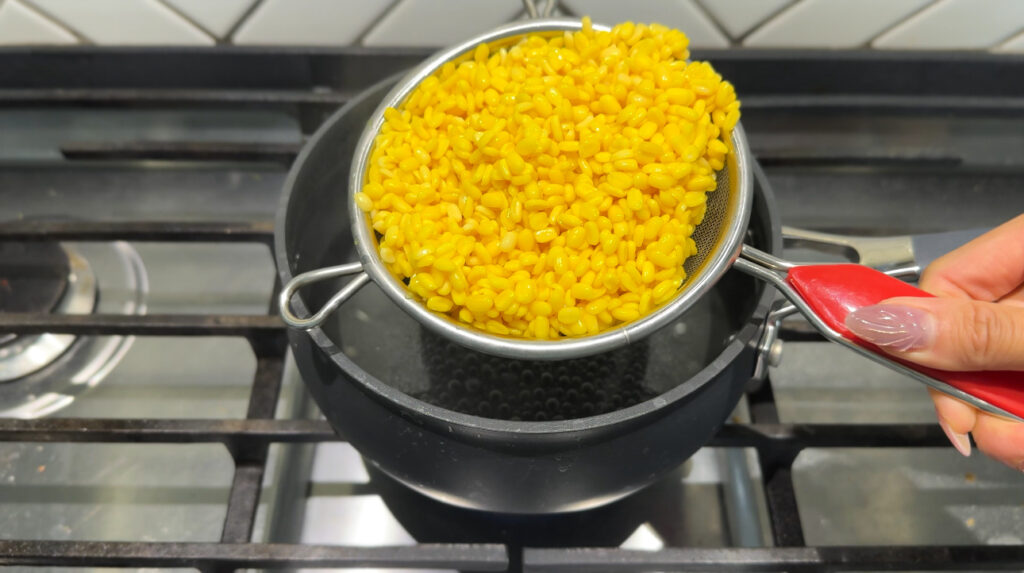
Step 2: Make the Yellow Layer Batter
- In a bowl, whisk together:
- Mung bean paste
- ¾ cup tapioca starch
- 2 tbsp rice flour
- ½ cup coconut milk
- ¾ cup sugar
- Mix until smooth and lump-free. This will be your creamy yellow layer.
Step 3: Make the Green Layer Batter
- In another bowl, whisk together:
- 1 ½ cups tapioca starch
- ¼ cup rice flour
- ¾ cup sugar
- 2 cups water
- ¼ tsp pandan extract
- ½ tsp vegetable oil
- Stir until dissolved. This will be your fragrant pandan layer.
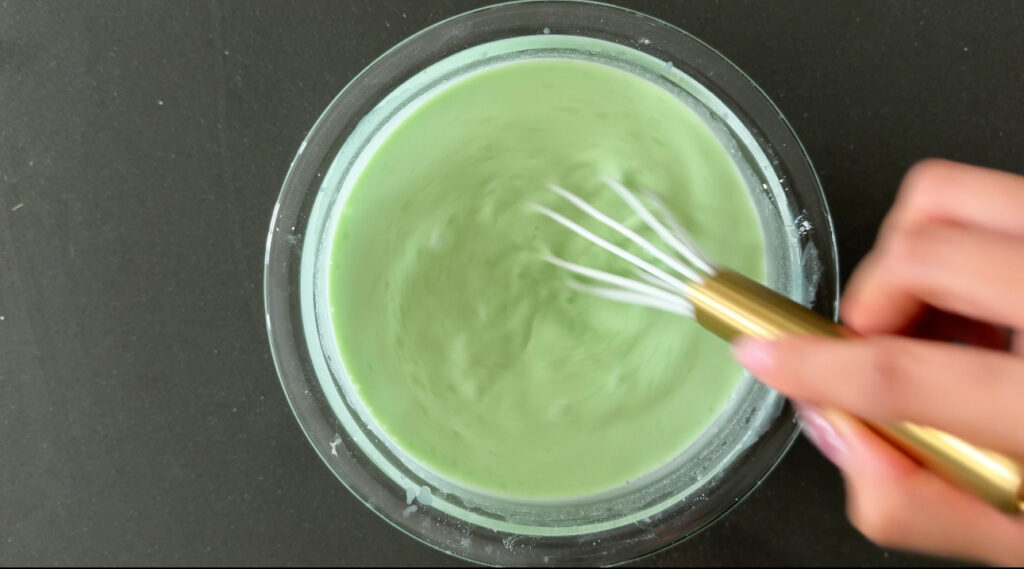
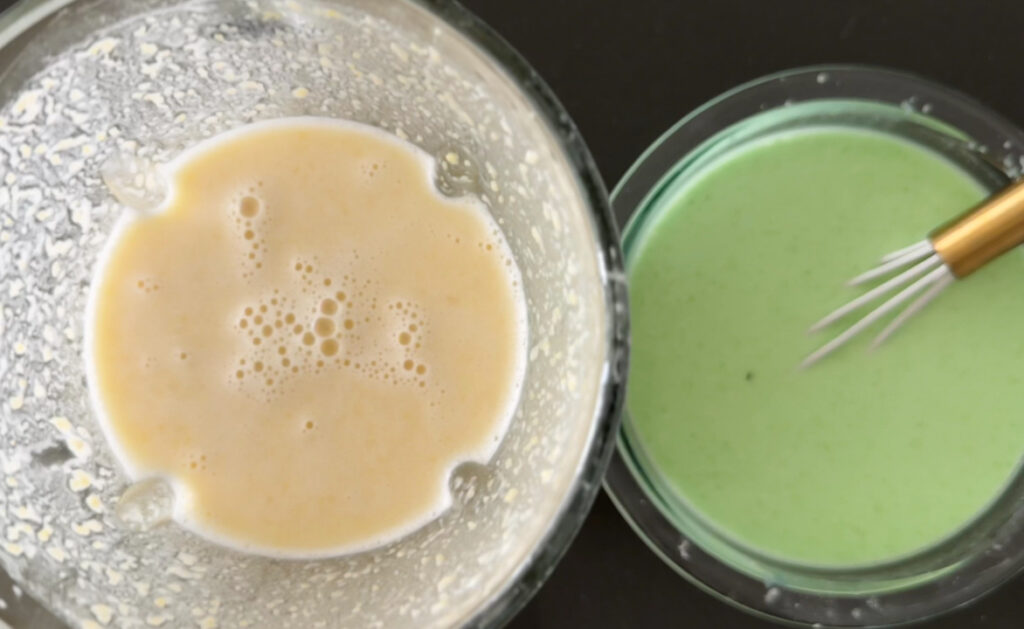
Step 4: Steam the Layers
- Grease your tray, pan, or molds with cooking spray.
- Heat your steamer until the water is boiling and producing steam.
- Pour in a thin layer of green batter (~½ cup, depending on pan size). Steam for 5 minutes until set.
- Pour in a layer of yellow batter. Steam another 5–7 minutes.
- Repeat the process, alternating colors, until all batter is used.
- For the final layer, steam an additional 10–12 minutes to make sure the whole cake is set.

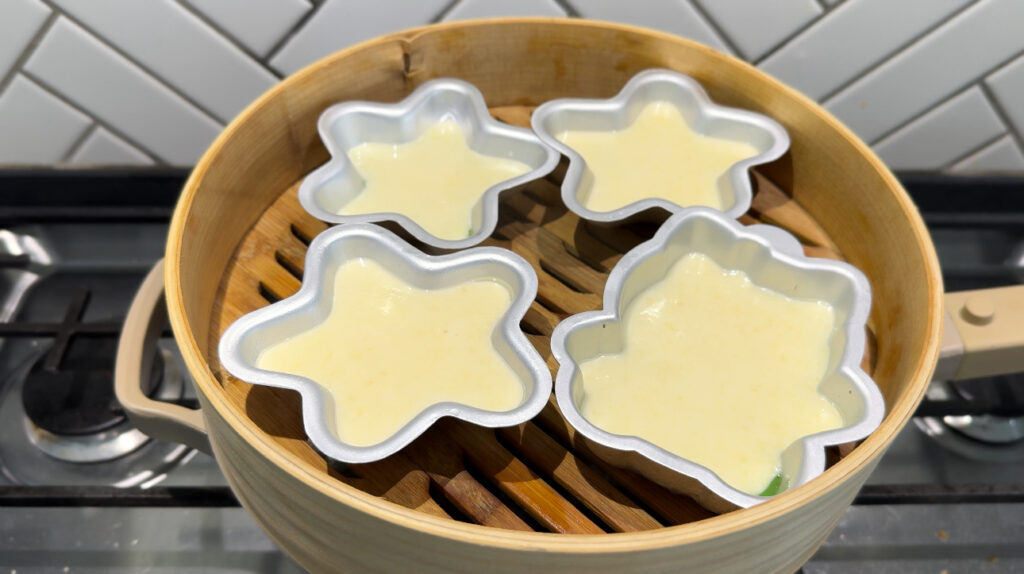
Step 5: Cool & Cut
- Let the cake cool completely before removing from the pan.
- Traditionally, cut into long strips. Or, if using molds, pop them out gently.
- Serve at room temperature.

💡 Tips for Success
- Consistency matters: Each batter should be smooth and pourable, but not watery. Adjust with a little extra water if too thick.
- Don’t rush the steaming: If you pour the next layer before the previous one sets, the layers will blur instead of staying distinct.
- Use a towel under the lid: Wrap your steamer lid in a kitchen towel to prevent condensation from dripping onto the cake.
- Play with molds: Muffin tins, silicone molds, or fun shapes work beautifully.
🎨 Variations
- Flavor switch: Try taro, ube, or durian instead of mung bean for the yellow layer.
- Color play: Add food coloring to make rainbow layers.
- Texture boost: Sprinkle toasted sesame seeds or shredded coconut on top.
💬 Final Thoughts
Bánh da lợn is the definition of Vietnamese bakery nostalgia — chewy, bouncy, fragrant, and colorful. It’s one of those desserts that instantly transports me back to childhood bakery trips, pointing at trays of layered cakes behind glass cases.
Making it at home might seem intimidating, but once you nail the layering rhythm, it’s actually really fun. And the best part? You can personalize it — classic strips, cute molds, or rainbow layers. However you cut it, bánh da lợn will always be a classic.
Ok now excuse me while I go cut another strip “for testing purposes” — quality control, you know? 😉

Homemade Bánh Da Lợn (Vietnamese Steamed Layer Cake)
Course: RecipesCuisine: Viet, Vietnamese, AsianDifficulty: Easy12-16
servings25
minutes40
minutesIngredients
- Green Layer
1 1/2 cup tapioca starch
1/4 cup rice flour
3/4 cup sugar
2 cups water
1/4 tsp pandan extract
1/2 tsp veggie oil
- Yellow Layer
1/2 cup dried split mung beans (soaked overnight or for 4 hrs)
1/8 tsp salt
1 3/4 cup water
3/4 cup tapioca starch
2 tbsp rice flour
1/2 cup coconut milk
3/4 cup sugar
- Other
cooking spray
Direction
- Prepare the Mung Bean Paste:
In a pot combine salt, water, and soaked mung beans. Bring to a boil then simmer for for 10 minutes until soft. Remove from heat and slightly cool mixture. Then blend or mash them with tapioca starch, rice flour, sugar and coconut milk until smooth. Set aside. - Mix Pandan Batter:
In another bowl, mix sugar, tapioca starch, rice flour, veggie oil and pandan extract until smooth. Set aside. - Steam the Layers:
Prepare a Steamer: Fill a large steamer with water and bring it to a boil. Place an 8- or 9-inch round pan in the steamer, molds – or- muffin cups. Spray with cooking spray and steam for 2 mins.
Layering: Pour a thin layer of the pandan batter into the pan, about 1/4 inch thick. Cover and steam for 5-7 minutes or until set. Alternate by pouring a mung bean layer next, steam again, and repeat, alternating between the two batters until all are used up. Aim for 5-6 layers.
Final Steam: After the last layer is added, steam for an additional 15-20 minutes (10 mins for muffins) to ensure the whole cake is cooked through. - Cool And Serve:
Let the cake cool completely, then slice into diamond shapes or squares. Enjoy!