
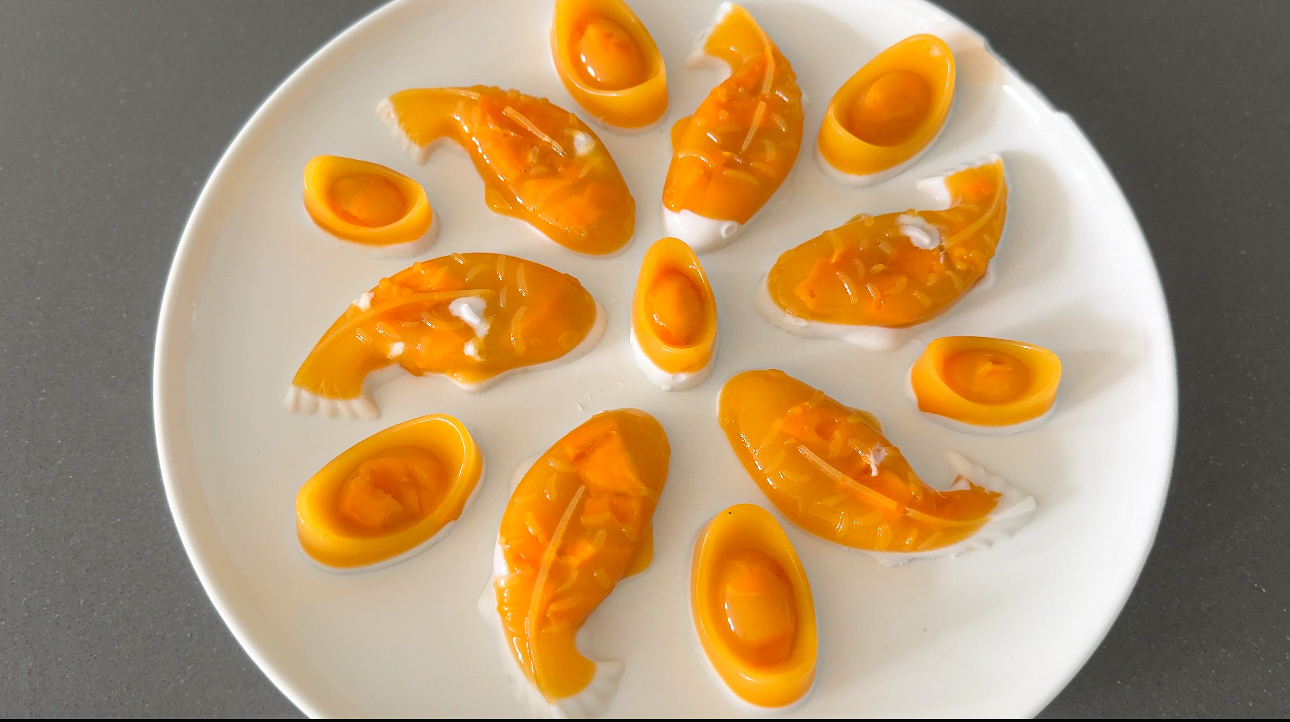
🥭 When Life Gives You Mangoes…
It’s officially mango season, and my kitchen has been taken over by two huge boxes of ripe, fragrant mangoes—those golden, tropical beauties that feel like sunshine in fruit form. And instead of just eating them over the sink (guilty), I figured, what better way to showcase them than with a Mango Series?
We’re kicking things off with one of my personal favorite Vietnamese desserts: Sương Sa Xoài Dừa, or Mango & Coconut Jelly. This layered jelly dessert is light, subtly sweet, and absolutely perfect for hot weather. Bonus: it’s completely dairy-free and vegan-friendly thanks to agar agar, a jelly-setting ingredient that behaves quite differently than gelatin (don’t worry, we’ll get into it).
This recipe is low-effort, high-impact—and makes a beautiful, chilled treat that’s just as fun to eat as it is to look at.
💬 What Is Sương Sa?
Sương sa is the Vietnamese word for jelly, and it’s usually made with agar agar instead of gelatin. You’ll often see it layered with different colors, flavors, or textures—think coconut milk, pandan, coffee, mung bean, or fruit juices. It’s a staple at parties, family gatherings, and on many Vietnamese dessert tables.
🌊 Wait—What’s Agar Agar?
If you’ve only used gelatin up until now, agar might feel like a plot twist. Here’s a quick breakdown of how agar compares:
| Feature | Agar Agar | Gelatin |
|---|---|---|
| Source | Seaweed (plant-based) | Animal collagen |
| Texture | Firm, smooth, sliceable | Soft, bouncy, jiggly |
| Setting Temp | Room temp or fridge | Requires refrigeration |
| Vegan? | Yes | No |
Agar agar sets at room temperature and holds up well in warm climates, making it ideal for Southeast Asian desserts. It also yields a firmer texture—clean-cut and slightly snappy—whereas gelatin is meltier and more delicate.
For this recipe, we’ll use agar agar powder, which is easy to measure and dissolves quickly in liquid when heated.
Servings: 6–8
Prep Time: 15 minutes
Cook Time: 10 minutes
Chill Time: 3–4 hours
🛒 Ingredients
We’re keeping things refreshingly simple, using just a few pantry staples and ripe mangoes:
Coconut Layer (Bottom):
- 400ml full-fat coconut milk (1 can)
- 250ml water
- 4 tbsp sugar (adjust to taste)
- 1 tsp agar agar powder (or 1½ tsp for a firmer layer)
- Pinch of salt
Mango Layer (Top):
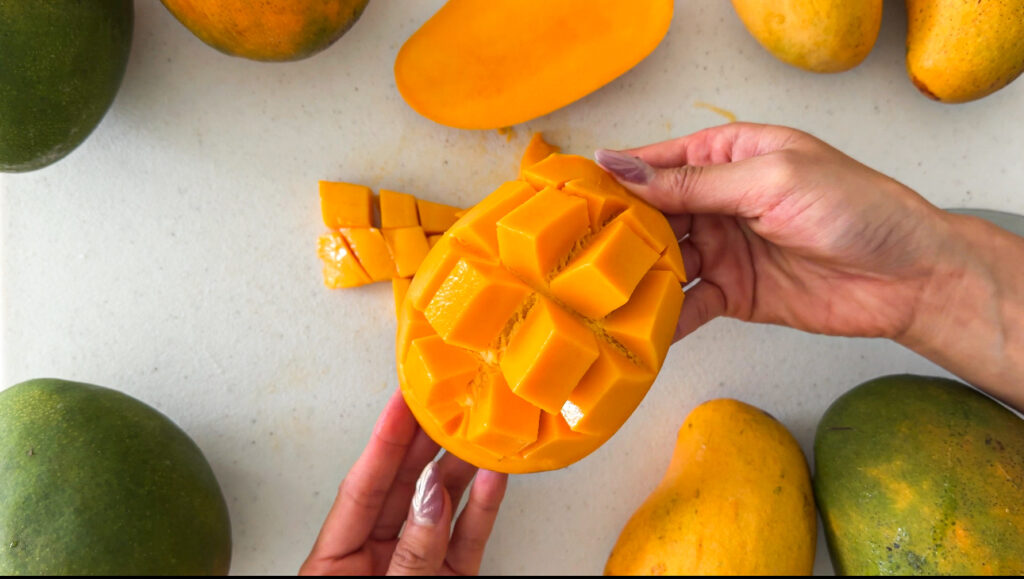
- 2 ripe mangoes (1 for purée, 1 for chunks)
- 250ml water
- 2–3 tbsp sugar (to taste, based on mango sweetness)
- 1 tsp agar agar powder
- Optional: A few drops of lemon or calamansi juice for brightness
Molds:
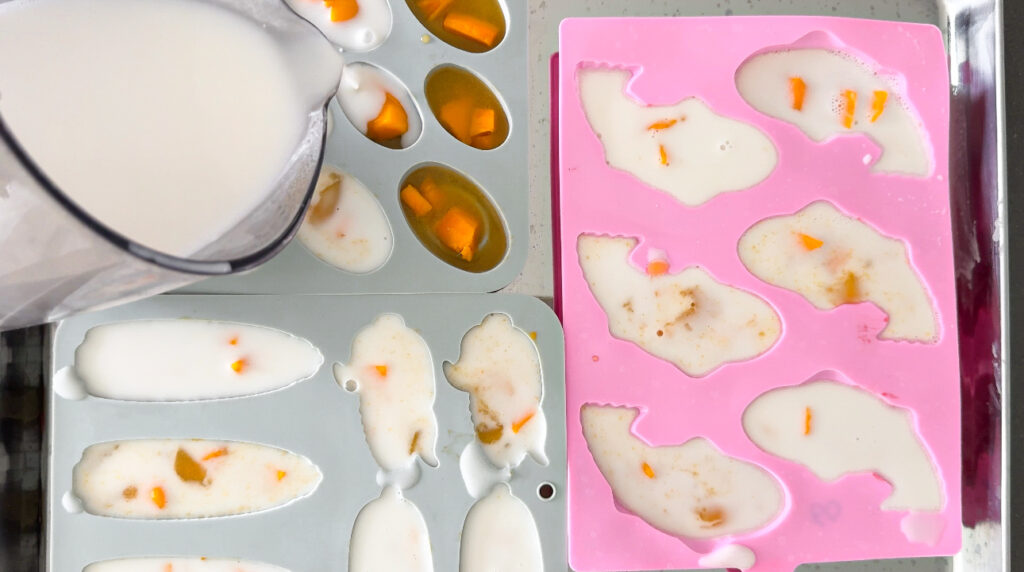
You can get creative with your molds! I used koi fish, gold bar, and corn-shaped silicone molds—but any small cups, ramekins, or even a square dish will work.
🧑🍳 Step-by-Step Instructions
Step 1: Make the Mango Layer
- Prep the Mango Layer:
Purée 1 mango with 1 cup water and 2–3 tablespoons sugar until smooth. Stir in 1 teaspoon agar agar powder.
Bring to a gentle boil, then simmer 2–3 minutes, stirring constantly.
Dice the second mango into small cubes and place into molds. Pour mango mixture in and let set for 3-5 minutes.
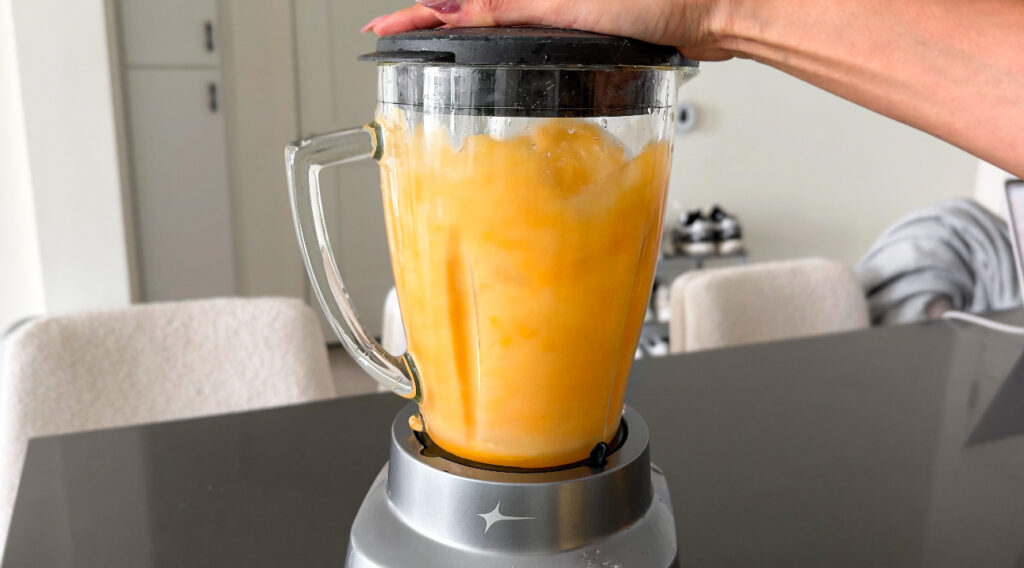
Note: Agar sets quickly, so don’t let the mixture sit in the pot too long after simmering—pour it into your molds while it’s still hot and fluid.
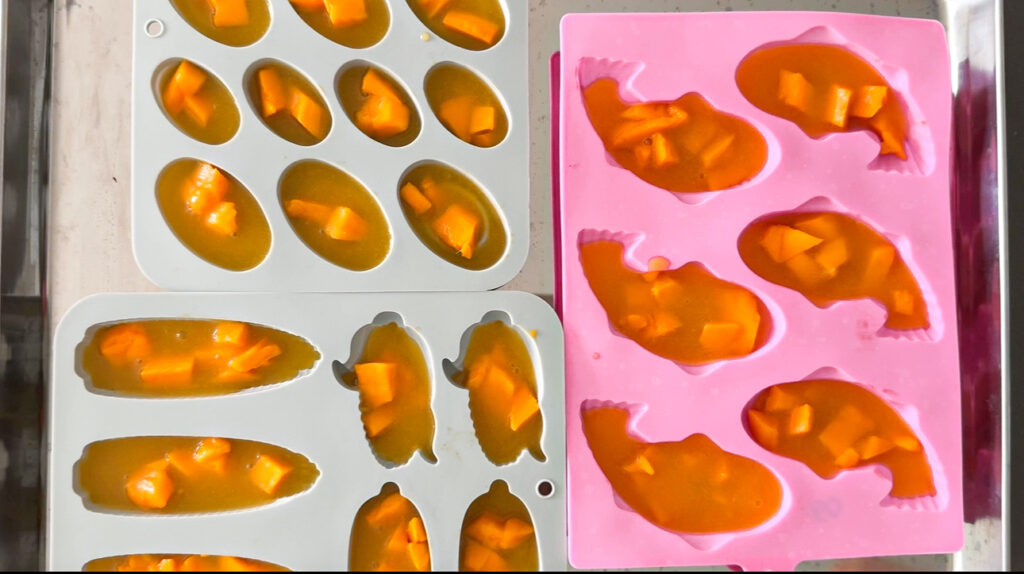
Step 2: Make the Coconut Layer
In a small pot, whisk together coconut milk, water, sugar, agar agar powder, and a pinch of salt.
Bring to a boil over medium heat while whisking constantly. Once boiling, reduce to a simmer and cook for 2–3 minutes.
Pour into molds on top of mango layer. Cool to room temp, then refrigerate until fully set (about 2–3 hours or overnight).
🧊 Tips for the Best Jelly Texture
- Use fresh mango purée instead of juice—it gives a richer, deeper flavor and color.
- Don’t skip the simmering step after adding agar—this ensures the powder fully activates and sets properly.
- To unmold easily, briefly dip the mold in warm water (10–15 seconds) before flipping onto a plate.
- For a creamier top layer, swap out half the water in the mango layer for coconut milk.
🍴 How to Serve
This jelly is great on its own, but you can also:
- Slice it into cubes and serve in a glass with crushed ice and extra coconut milk
- Layer it in clear dessert cups for a party
- Use fun molds for an eye-catching presentation
It’s light, not too sweet, and super refreshing—just what you want during summer or after a heavier meal.
🌀 Flavor Variations
Once you’ve mastered the method, there are lots of ways to customize:
- Swap mango with lychee, peach, or strawberry
- Add basil seeds or chia seeds for texture
- Use pandan coconut milk for a vibrant green twist
- Incorporate passionfruit pulp for a tangy contrast
❄️ Storage & Shelf Life
This dessert stores beautifully in the fridge for up to 4–5 days. Just make sure it’s covered or stored in an airtight container to prevent drying out. Do not freeze—agar doesn’t hold up well to freezing and thawing.
📌 Final Thoughts
Mango & Coconut Jelly is a classic Vietnamese-style treat with a modern twist. It’s elegant, fuss-free, and the perfect make-ahead dessert for summer gatherings. Plus, it highlights peak-season mangoes in the most refreshing way possible.
Whether you’re new to agar desserts or grew up eating sương sa at every family party, this version is light, tropical, and endlessly customizable. It’s simple enough for weekday prep, but pretty enough to bring to any get-together.
🌟 Coming Soon in the Mango Series…
- Mango Sticky Rice
- Mango Sago
- Mango Pudding (Inspired by Magnolia Bakery!)
Let me know in the comments what mold shape you used—or tag me on Instagram with your version! I love seeing how creative everyone gets with these.

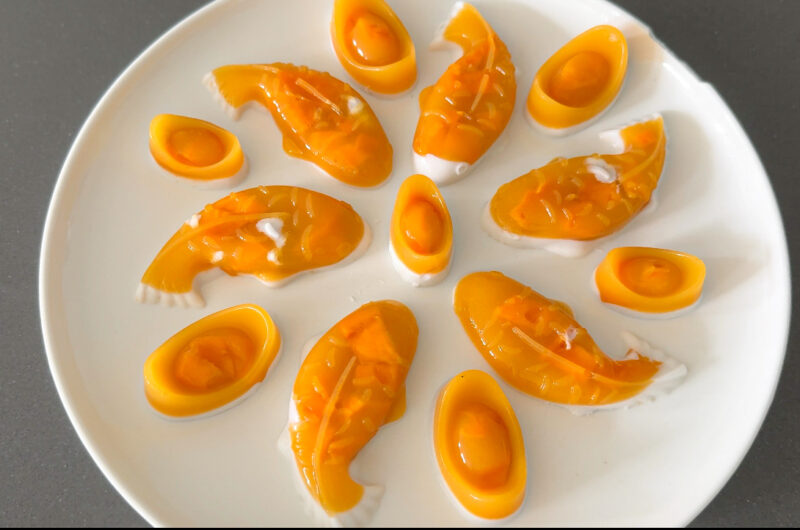
How to make Mango Coconut Jelly (Sương Sa Xoài Dừa)
Course: DessertCuisine: viet, vietnamese, asianDifficulty: easy6-8
servings15
minutes10
minutesA Light & Refreshing Summer Dessert
Ingredients
- Coconut Layer:
1 (13.5 oz) can full-fat coconut milk
1 cup water
1/4 cup granulated sugar (adjust to taste)
1 teaspoon agar agar powder (or 1 1/2 tsp for firmer texture)
Pinch of salt
- Mango Layer (Top):
2 ripe mangoes (1 blended, 1 diced)
1 cup water
2 to 3 tablespoons sugar (adjust to mango sweetness)
1 teaspoon agar agar powder
Directions
- Prep the Mango Layer:
Purée 1 mango with 1 cup water and 2–3 tablespoons sugar until smooth. Stir in 1 teaspoon agar agar powder.
Bring to a gentle boil, then simmer 2–3 minutes, stirring constantly.
Dice the second mango into small cubes and place into molds. Pour mango mixture in and let set for 3-5 minutes. - Make the Coconut Layer:
In a small pot, whisk together coconut milk, water, sugar, agar agar powder, and a pinch of salt.
Bring to a boil over medium heat while whisking constantly. Once boiling, reduce to a simmer and cook for 2–3 minutes.
Pour into molds on top of mango layer. Cool to room temp, then refrigerate until fully set (about 2–3 hours or overnight).
[…] episode three of my Mango Series! If you’ve been following along, you know we’ve already made Mango Coconut Jelly and Pandan Mango Sticky Rice. (If you haven’t peeked at those yet, go check them out—they’re […]
[…] it. Welcome to the season finale of my Mango Series (🥹 cue the slow clap). We’ve already made mango coconut jelly, pandan mango sticky rice, and mango sago — so of course, I had to end it big. Today? We’re […]