Prep Time: 20 minutes
Cook Time: 30 minutes
Total Time: ~50 minutes
Servings: 4
💬 Introduction — The Real Taste of Home
Ask any Vietnamese kid what comfort food tastes like — and there’s a good chance they’ll say canh chua cá.
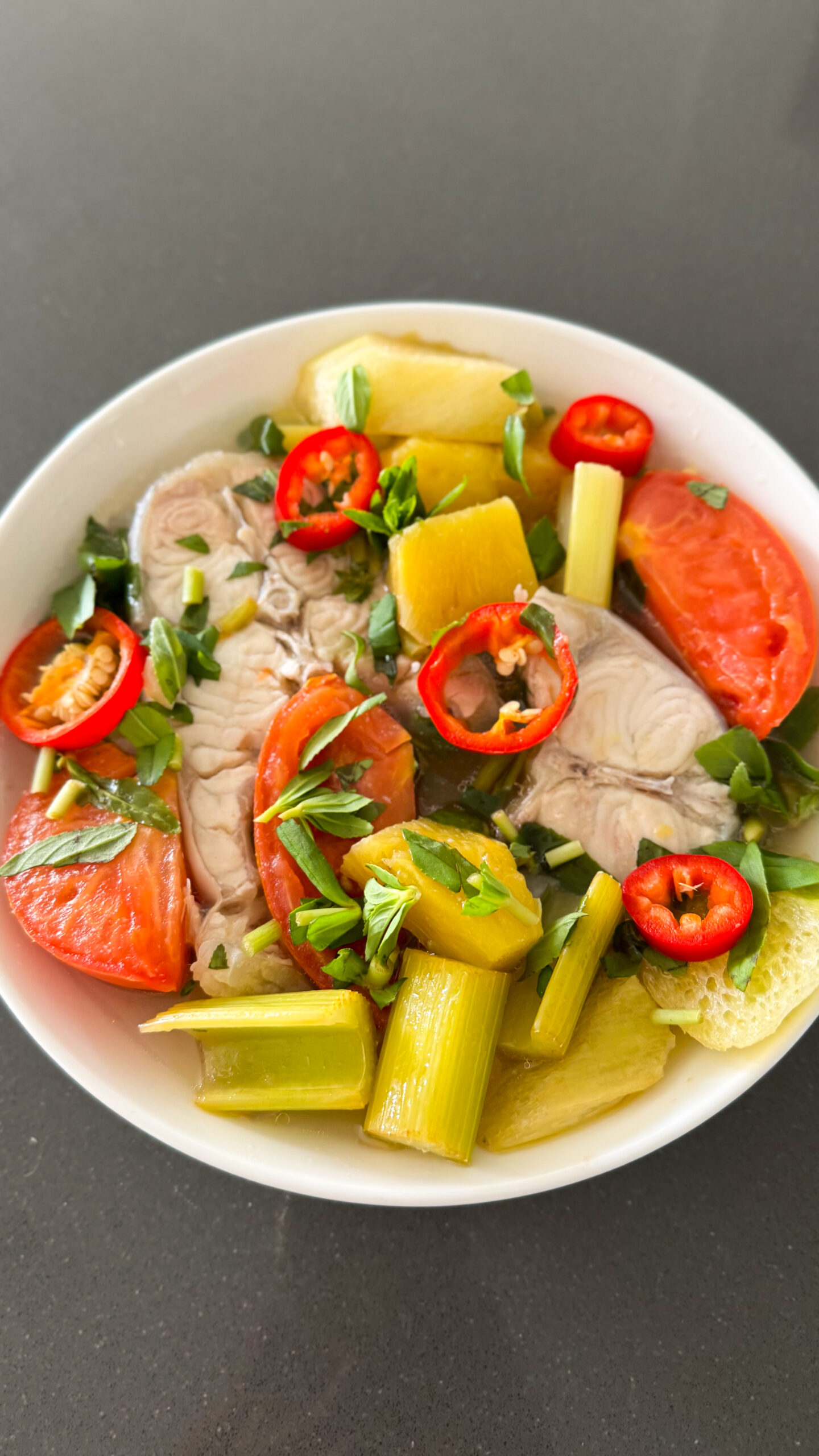
It’s the kind of soup that instantly hits all your senses: tangy from tamarind, a little sweet from pineapple, savory from fish sauce, and filled with soft, flaky catfish that melts into the broth.
This was a dish my parents made whenever the weather was unpredictable — stormy one day, cold af the next — because it somehow works for both. The brightness of the tamarind keeps it refreshing, but it’s still hearty enough to feel like a full meal when paired with a bowl of rice.
And yes, this is my easy version — no fancy fish stock, no complicated prep. Just pure Southern Vietnamese comfort food, made simple enough for a weeknight but nostalgic enough to taste like Sunday at your parents’ house.
🧠 What Is Canh Chua Cá?
Canh chua cá literally translates to “sour fish soup.”
It’s a Southern Vietnamese dish that beautifully balances flavors — sweet, sour, salty, and savory — all in one bowl.
Traditionally, it’s made with catfish simmered in a tamarind-based broth and cooked with pineapple, tomatoes, and vegetables like bean sprouts, taro stems (bạc hà), and celery. The finishing touch? A handful of aromatic herbs — rau om (rice paddy herb), ngo gai (sawtooth herb), and scallions — that transform the broth into something fragrant and distinctly Vietnamese.
It’s one of those dishes that looks humble but tastes like layers of family tradition and regional history.

🇻🇳 A Little History on Canh Chua Cá
Canh chua originated in the Mekong Delta, the heart of Southern Vietnam — a region where rivers and canals are everything. People there grew up fishing in muddy waters, foraging for herbs, and using what they had on hand to build meals that were simple, fresh, and full of balance.
The tamarind came from local trees, giving the soup its signature sourness, while pineapple added sweetness to round it out. The combination of these flavors — sour and sweet — is a hallmark of Southern Vietnamese cuisine, where brightness and freshness always take center stage.
Back then, the soup wasn’t just made with catfish — it could be snakehead fish (cá lóc), carp, or even small river fish caught that day. Families would simmer the fish right in the broth, creating a rich, slightly cloudy texture from the natural fish oils.
And like most Vietnamese home dishes, it’s built for sharing. A big communal pot in the center of the table, a bowl of jasmine rice on the side, and everyone reaching for the same ladle.
It’s the kind of meal that doesn’t just feed you — it slows you down, it brings you together, and it reminds you of home no matter where you are.
🍋 The Flavor Profile
If you’ve never had canh chua, imagine the perfect harmony between sour and sweet.
- Tamarind brings that distinct tanginess that hits your tongue first.
- Pineapple adds brightness and a juicy sweetness that balances it all out.
- Fish sauce gives you salt and umami.
- Catfish adds a buttery, rich base.
- Herbs tie it together with that fresh, citrusy aroma only Vietnamese soups can pull off.
It’s light but still deeply flavorful — the kind of dish that makes you feel healthier just by smelling it simmer on the stove.
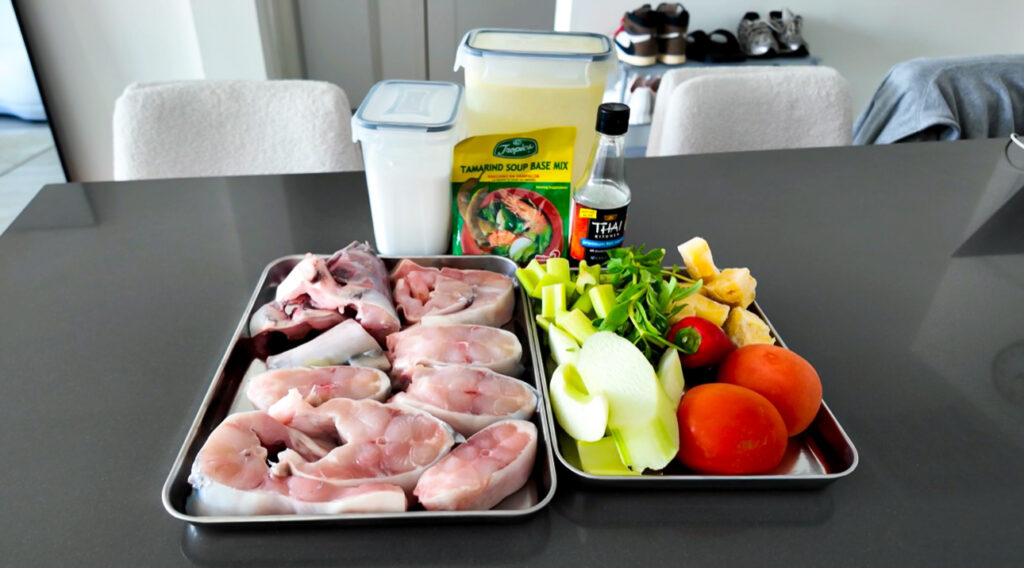
🛒 Ingredients (Serves 4)
🐟 Main Ingredients
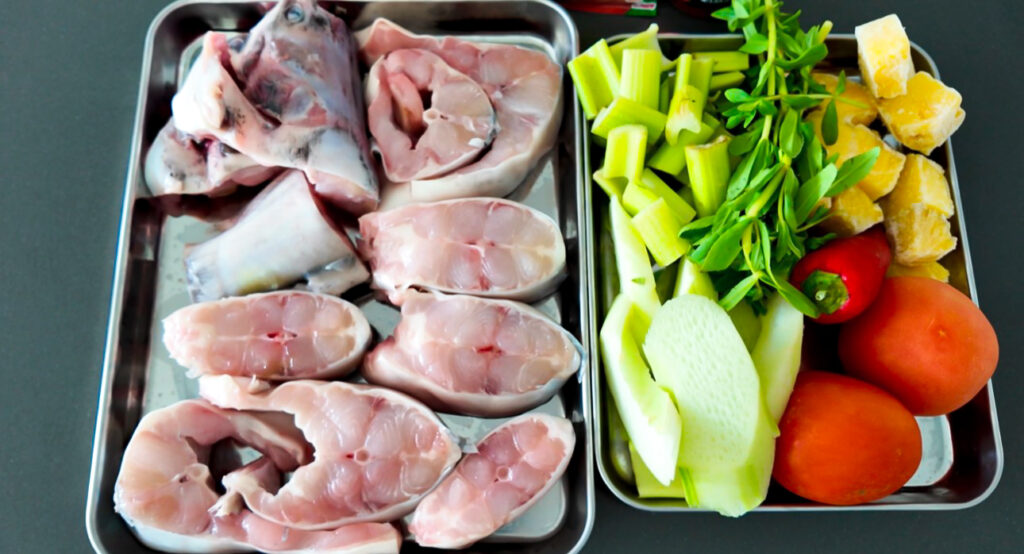
- 1 ½ lb catfish (cut into steaks or fillets)
- 6 cups unsalted chicken stock
- 2 medium tomato, cut into wedges
- ½ pineapple, sliced into bite-sized chunks
- 1 cup taro stems (bạc hà), sliced diagonally (~¼ inch thick)
- 2 stalks celery, sliced on a bias
- 1 cup bean sprouts (optional)
- 1–2 Thai bird’s eye chilies (optional)
🍋 Broth Seasoning
- 1 packet tamarind seasoning (about 1.76 oz)
- 1 ½ tbsp fish sauce (adjust to taste)
- 1 tsp sugar (optional, to balance)
- Salt to taste
- 2 tbsp cooking oil
🌿 Garnish
- Rau om (rice paddy herb), chopped
- Green onion, chopped (optional)
- Fried shallots (optional)
🔥 Instructions
🥬 1. Prep the Veggies
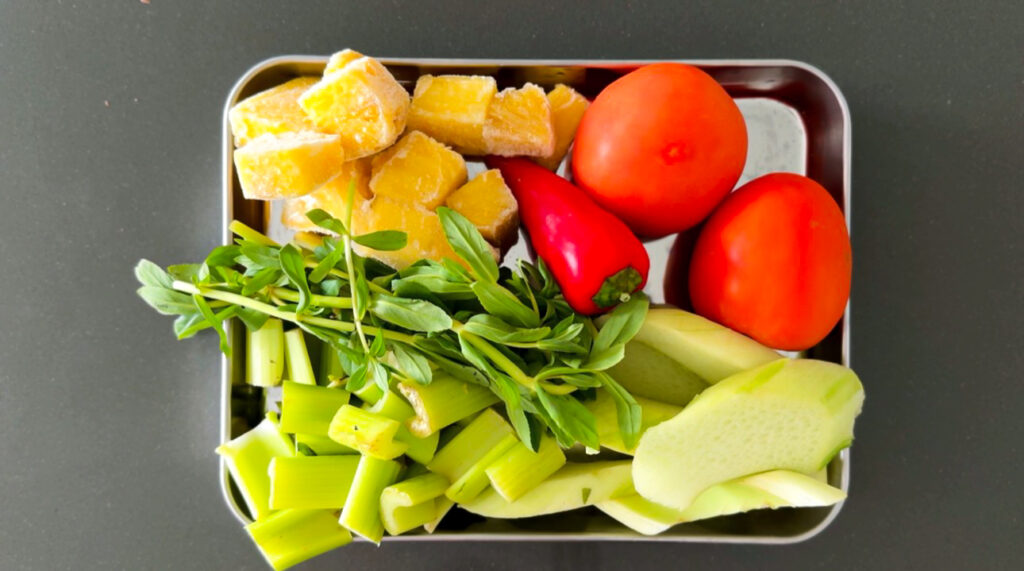
Slice celery and bạc hà (taro stem) on a bias — not just for looks, but because those diagonal cuts help it cook evenly while staying crunchy. Cut pineapple into chunks and slice tomatoes into quarters.
🍅 2. Sauté the Tomatoes
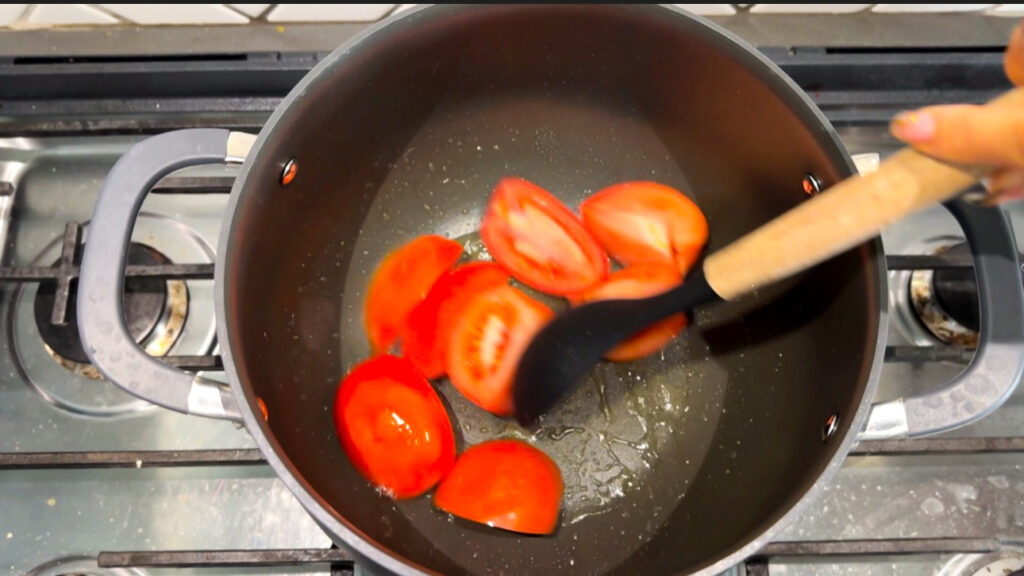
Heat 2 tbsp oil in a large pot over medium heat. Add your tomato wedges and sauté for 2–3 minutes until softened and slightly jammy.
This adds a layer of natural sweetness to your broth and deepens that signature orange-red color of canh chua.
🍍 3. Build the Broth
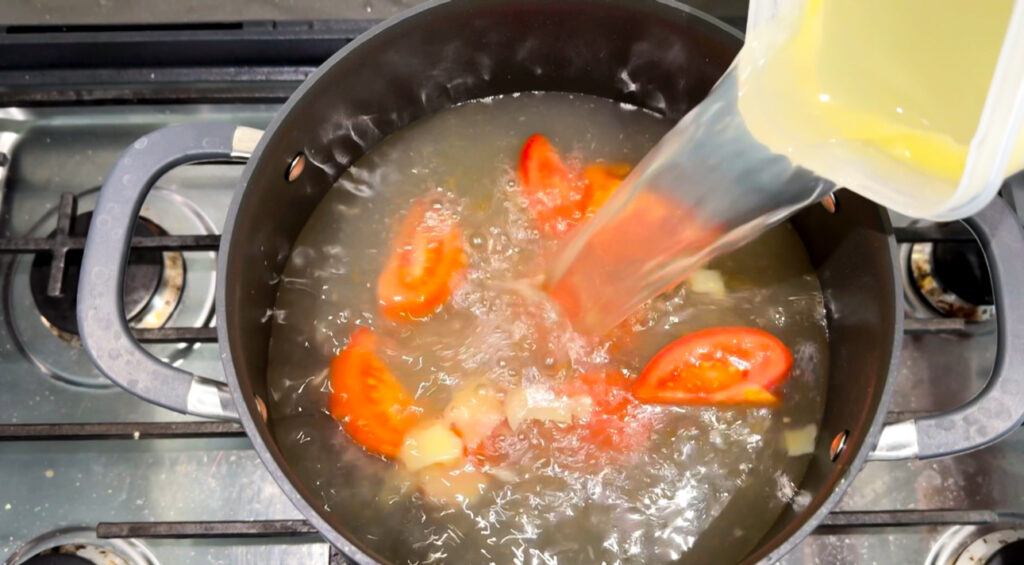
Pour in your chicken stock.
Add pineapple chunks and the packet of tamarind seasoning. Stir well and bring to a gentle boil.
Now’s a good time to taste the broth — it should be tangy but balanced. If it’s too sour, add a pinch of sugar or a splash more water.
🧂 4. Season
Add fish sauce and salt to taste (remember, the tamarind seasoning already contains some salt).
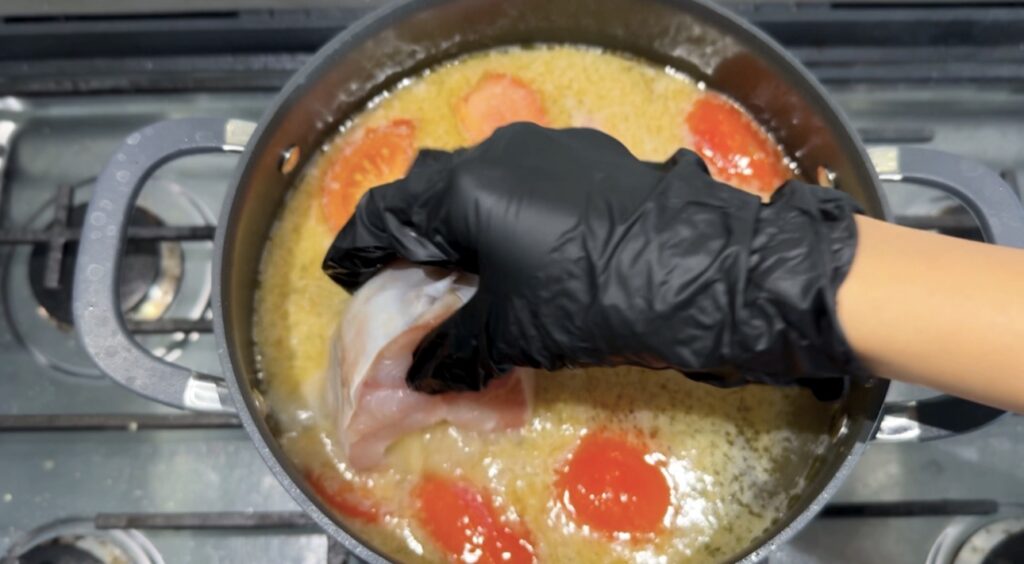
🐟 5. Add the Fish
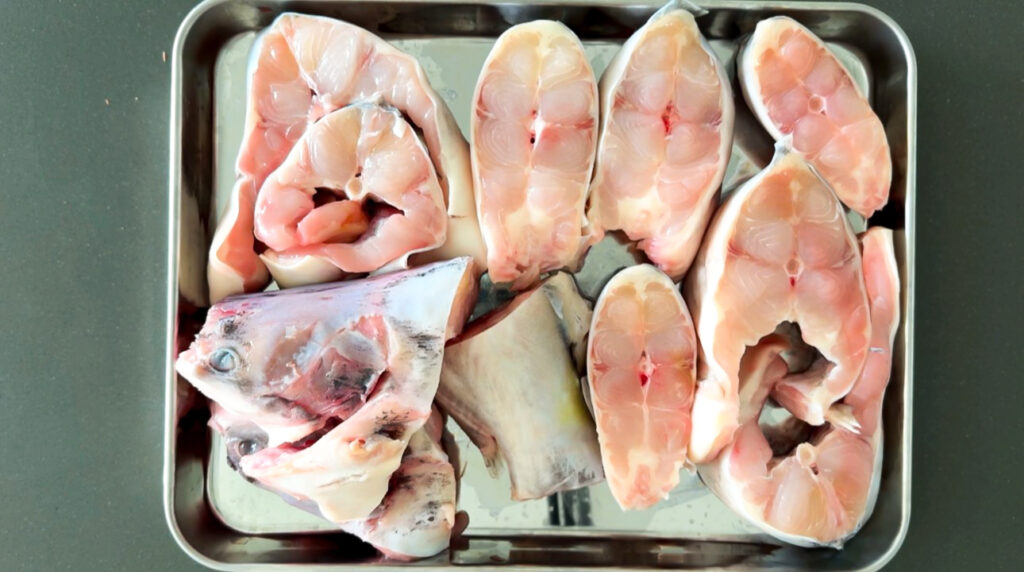
Lower the heat to a simmer. Gently slide in your catfish pieces — careful not to break them apart. Poach for about 6–8 minutes, depending on thickness, until just cooked through.
Don’t stir too aggressively — catfish is delicate!
🥗 6. Layer in the Veggies
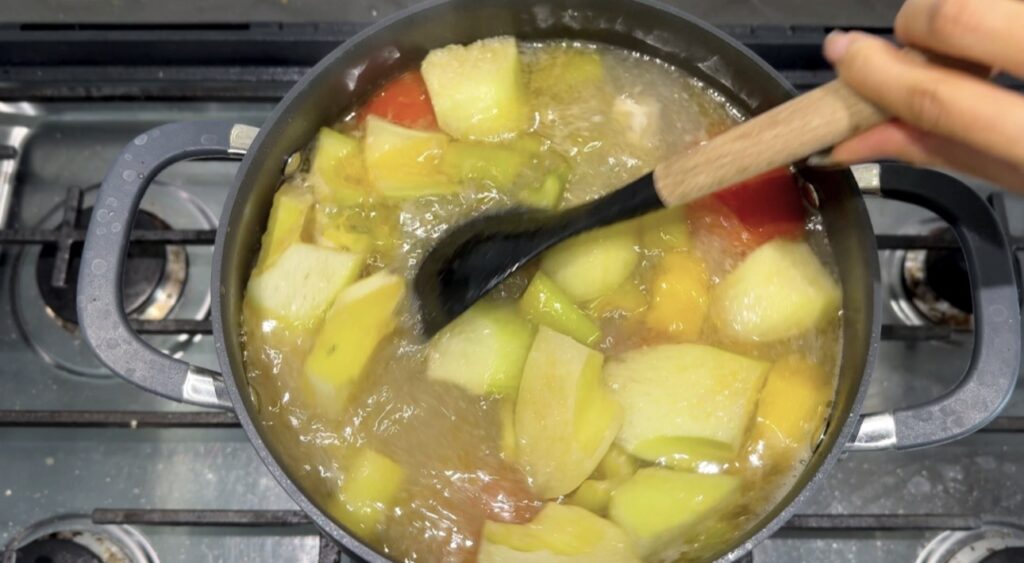
Once the fish is nearly done, add bạc hà and celery. Cook for another 2–3 minutes until tender-crisp.
Add the bean sprouts and optional chilies at the end — they only need 1–2 minutes to soften.
This cooking order matters: it keeps your veggies vibrant, crunchy, and not mushy.
🌿 7. Garnish & Serve
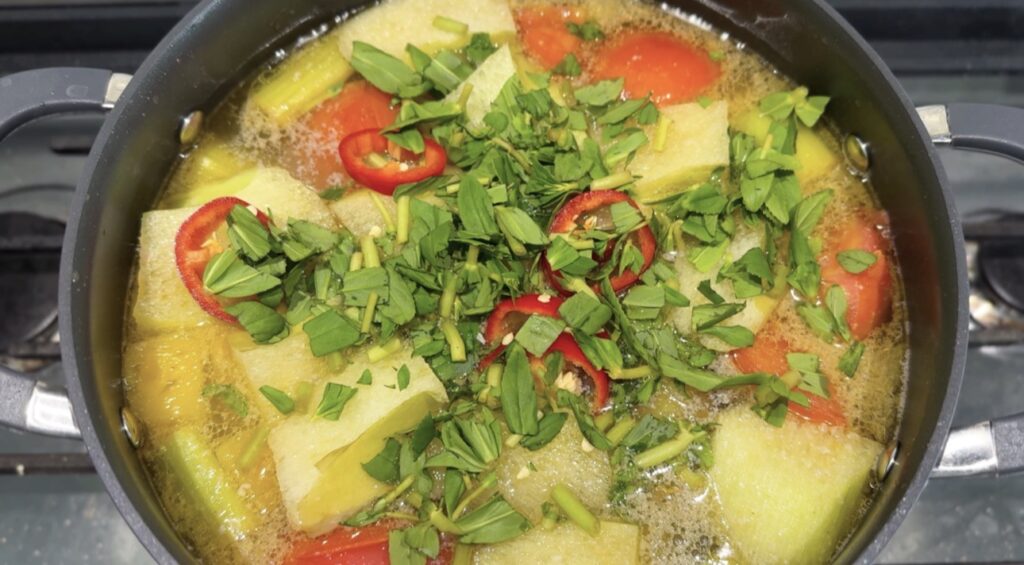
Turn off the heat and top with rau om and chopped green onions (optional.)
Serve hot with a bowl of jasmine rice, or eat it as-is if you like it lighter.
🍚 How to Eat Canh Chua Cá the Vietnamese Way
There’s no wrong way, but traditionally:
- Spoon a bit of soup over your rice.
- Eat a bite of fish with a chunk of pineapple or tomato.
- Chase it with a little rice.
- Repeat until your bowl’s empty and your soul feels full.
That sweet-sour-salty balance keeps you coming back for more.
💡 Tips & Tricks
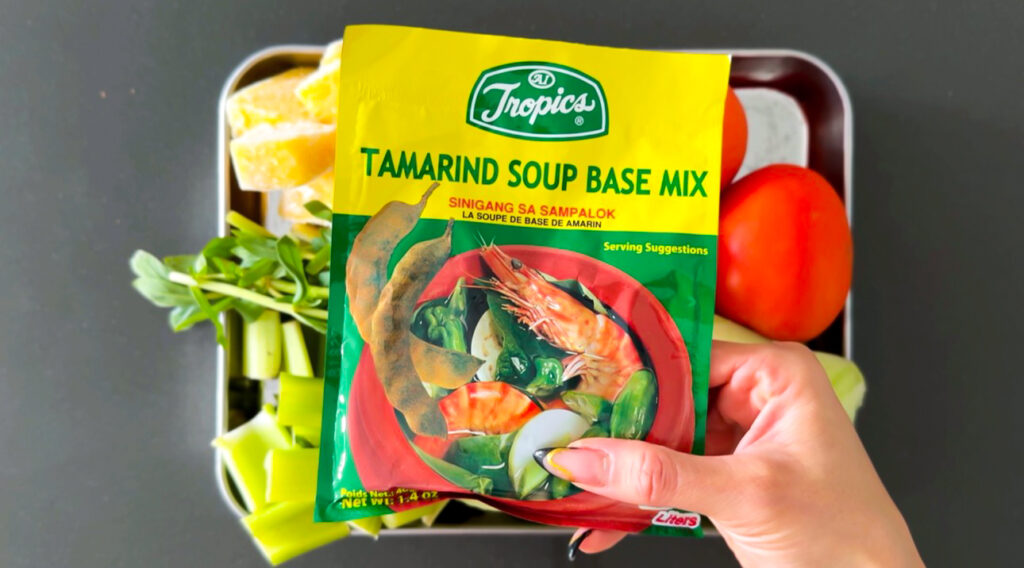
✅ Tamarind Seasoning vs. Fresh Tamarind:
If you can find fresh tamarind pulp, that’s gold. But the seasoning packets work great for weeknight meals. Just taste and adjust — some brands are more sour or salty than others.
✅ Chicken Stock Shortcut:
Traditionally, this uses fish stock. But if you’ve ever made fish stock… you know. Chicken stock is lighter, easier, and still gives a great base.
✅ Fish Choice:
Catfish is the most common, but tilapia, swai, or basa all work. Anything with mild flavor and firm flesh will do.
✅ Taro Stems (Bạc Hà):
Don’t skip them if you can find them — they soak up the broth like sponges and give that signature canh chua texture.
✅ Balance the Flavors:
The beauty of this soup is in adjusting it to your taste. Want it tangier? Add more tamarind. Too sour? Add pineapple or sugar. Trust your tongue — it’s how every Vietnamese cook does it.
🌏 Regional Variations
In the South, canh chua is bright and fruity — pineapple and tomatoes are non-negotiable.
In Central Vietnam, it might lean more savory with chili heat.
And in the North, where tamarind isn’t as common, cooks sometimes use rice vinegar or tomatoes alone for that sour kick.
No matter the version, it’s always gonna be a hitter.
🧠 Did You Know?
- Canh chua literally means “sour soup,” and there are countless versions — canh chua tôm (with shrimp), canh chua cá hú (with catfish), even canh chua chay (vegetarian).
- In Vietnamese culture, sour soups are believed to balance your body’s temperature — cooling you down in hot, humid weather.
- Rau om (rice paddy herb) is unique to Southeast Asia — it gives a citrusy, slightly peppery aroma you can’t replicate with anything else.
🥢 My Connection to Canh Chua Cá
For me, this dish feels like the definition of balance — and not just flavor-wise.
It’s that perfect in-between of light and cozy, tangy and soothing, fancy and humble.
I didn’t grow up eating this every week, but when I started cooking it myself, it reminded me of why Vietnamese food always feels so layered — it’s never just one note.
It’s the kind of soup you make when you’re craving comfort but still want something bright. The one that makes your kitchen smell amazing and instantly makes you want rice.
And once you learn it, it becomes second nature — that recipe you can cook from memory, with whatever you have on hand.
🍲 Why This Version Works
This recipe skips the long prep that traditional versions need but still keeps the depth of flavor. Using a tamarind seasoning packet gives consistent results, chicken stock replaces fish stock without overpowering, and pan-sautéing the tomatoes brings out sweetness naturally.
It’s approachable, balanced, and perfect for anyone who wants to cook Vietnamese food that feels authentic without needing every single ingredient from the motherland.
🌶️ Serving Ideas
- With Rice: The classic combo — pour the soup over a small bowl of rice.
- As a Main Dish: Add more fish and tofu for a fuller meal.
- Chè Pairing: End your meal with a chilled Vietnamese dessert like chè thái or chè bà ba.
💭 Final Thoughts
If phở is the polished, well-known sibling, canh chua cá is the soulful one that doesn’t need attention to be loved. It’s vibrant, comforting, and endlessly customizable — a bowl that reminds you how Vietnamese food always dances between contrasts.
This soup is proof that something humble can still feel special — all it takes is a few good ingredients, a tamarind packet, and the memory of what home tastes like. ☀️🐟

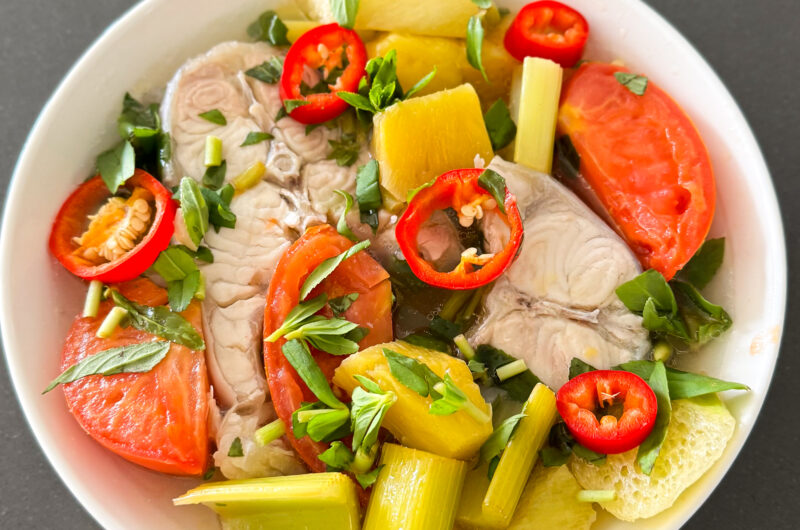
Canh Chua Cá aka Sour Fish Soup
Course: RecipesCuisine: viet, vietnamese, asianDifficulty: easy4
servings20
minutes30
minutesVietnamese Sour Fish Soup with catfish.
Ingredients
1½ lb catfish (cut into steaks or fillets)
6 cups unsalted chicken stock
2 medium tomato, cut into wedges
½ pineapple, sliced into bite-sized chunks
1 cup taro stems (bạc hà), sliced diagonally (~¼-inch thick)
2 stalks celery, sliced on a bias
1 cup bean sprouts (optional)
1–2 Thai bird’s eye chilies (optional)
1 packet tamarind seasoning (1.76 oz)
1½ tbsp fish sauce
1 tsp sugar/rock sugar
Salt to taste
2 tbsp cooking oil
- Garnish
Rau om, green onion/fried shallots (optional
Directions
- Heat oil in a pot, sauté tomatoes for 2–3 minutes until soft.
- Add chicken stock, pineapple, and tamarind seasoning. Bring to a boil. Taste and adjust with sugar or water if too sour. Add fish sauce and salt.
- Lower heat, gently add catfish. Simmer for 6–8 minutes until cooked.
- Add bạc hà and celery; cook 2–3 minutes. Add bean sprouts and chilies; simmer another 1–2 minutes.
Turn off heat. Garnish with herbs and fried shallots. Serve hot with rice.